
The Fault in Our Stars‚ a deeply moving young adult novel penned by John Green‚ explores the lives of two teenagers facing terminal cancer‚ offering a poignant narrative.
A. Overview of the Novel
The Fault in Our Stars‚ published in 2012‚ quickly became a cultural phenomenon‚ resonating deeply with readers of all ages; The novel centers around Hazel Grace Lancaster‚ a sixteen-year-old grappling with terminal thyroid cancer‚ and her unexpected connection with Augustus Waters‚ a charismatic cancer survivor. Their story unfolds with raw honesty‚ exploring themes of love‚ loss‚ mortality‚ and the search for meaning in the face of immense suffering.
Green masterfully crafts a narrative that is both heartbreaking and hopeful‚ avoiding sentimentality while acknowledging the profound emotional weight of the characters’ experiences. The plot follows Hazel and Augustus as they navigate the complexities of their illnesses‚ their burgeoning romance‚ and a life-altering trip to Amsterdam to meet their favorite author. It’s a story about living fully‚ even when facing an uncertain future‚ and the enduring power of human connection.
B. Author: John Green ⎼ Background and Style
John Green is an acclaimed American author primarily known for his young adult fiction. Before becoming a full-time writer‚ he worked as a publishing assistant and a book reviewer‚ experiences that undoubtedly shaped his understanding of storytelling. He gained significant recognition with novels like Looking for Alaska and Paper Towns‚ establishing a dedicated readership.
Green’s writing style is characterized by its wit‚ intelligence‚ and emotional depth. He seamlessly blends humor with philosophical exploration‚ tackling complex themes with sensitivity and nuance. His characters are often introspective and articulate‚ engaging in thoughtful dialogues about life‚ death‚ and everything in between. He’s particularly adept at capturing the authentic voice of teenagers‚ making his novels relatable and impactful. His work often features a blend of realism and poetic prose.
C. Publication Details and Initial Reception (2012)
The Fault in Our Stars was first published in January 2012 by Penguin Random House’s Dutton Books imprint. The novel quickly garnered attention‚ rising to the top of the New York Times Best Seller list and remaining there for extended periods. Initial reception was overwhelmingly positive‚ with critics praising Green’s honest and moving portrayal of teenage life and illness.
The book resonated deeply with young adult readers‚ sparking widespread discussion and becoming a cultural phenomenon. Its success was fueled by word-of-mouth recommendations and enthusiastic reviews. The novel’s exploration of difficult themes‚ coupled with its witty dialogue and relatable characters‚ contributed to its broad appeal. It swiftly became a staple in school curricula and book clubs‚ solidifying its place in contemporary literature.
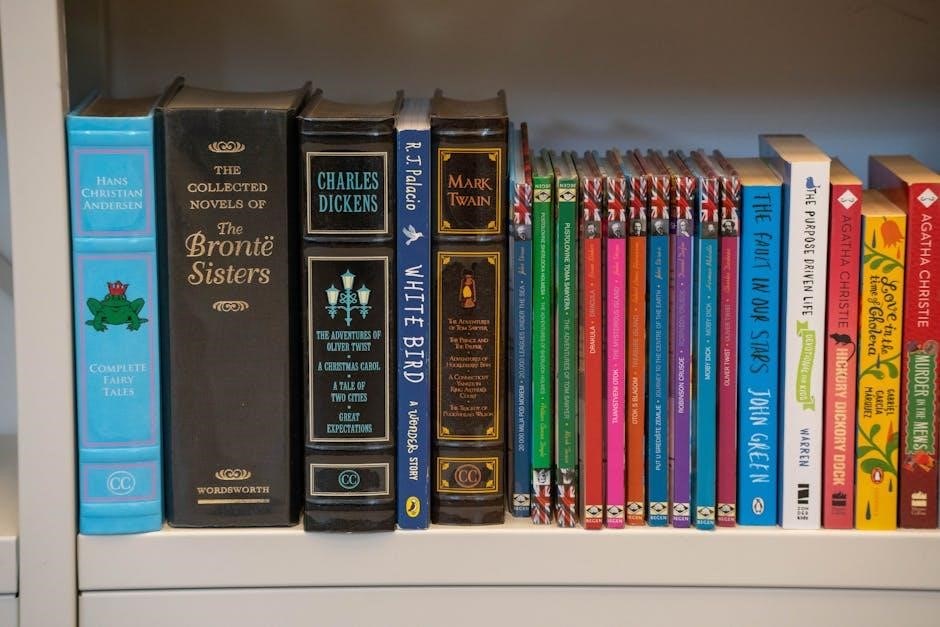
II. Plot Summary of “The Fault in Our Stars”
The story centers on Hazel Grace Lancaster‚ a teen with cancer‚ and Augustus Waters‚ another afflicted youth‚ whose paths cross at a support group‚ igniting a romance.
A. Hazel Grace Lancaster’s Life with Cancer
Hazel Grace Lancaster‚ a sixteen-year-old‚ reluctantly attends a cancer support group at her mother’s insistence‚ viewing it as a forced attempt at normalcy. She lives with terminal thyroid cancer that has metastasized to her lungs‚ requiring her to carry an oxygen tank. Hazel’s existence is largely defined by her illness; she avoids forming deep connections‚ fearing the pain her eventual death would cause others.
She finds solace in books‚ particularly “An Imperial Affliction” by the reclusive author Peter Van Houten‚ as it realistically portrays the experience of living with cancer. Hazel’s world is one of limited activity and constant medical appointments‚ yet she possesses a sharp wit and a cynical outlook on life‚ masking her underlying vulnerability. Her initial resistance to connection begins to shift with the arrival of Augustus Waters.

Augustus Waters enters Hazel’s support group‚ immediately captivating her attention with his charm and confidence. He is a former basketball player who lost a leg to osteosarcoma‚ now in remission. Augustus‚ unlike Hazel‚ actively seeks connection and isn’t afraid to engage with others‚ displaying a seemingly fearless attitude towards his past illness.
He quickly singles out Hazel‚ intrigued by her intelligence and sardonic humor. Their initial interactions are marked by playful banter and a shared understanding of their unique circumstances. Augustus challenges Hazel’s self-imposed emotional distance‚ pushing her to confront her fears and embrace the possibility of genuine connection despite their uncertain futures. He represents a vibrant contrast to Hazel’s cautious existence.
C. The Development of Hazel and Augustus’ Relationship
Hazel and Augustus’s connection deepens through shared experiences and intellectual intimacy‚ fueled by their mutual love for the novel‚ “An Imperial Affliction.” They bond over discussions about the book’s ambiguous ending and the author‚ Peter Van Houten‚ who offers a raw and honest portrayal of cancer. This shared passion becomes a catalyst for their growing affection.
Initially hesitant due to their illnesses‚ they eventually succumb to their feelings‚ embarking on a romantic relationship. Augustus encourages Hazel to live more fully‚ challenging her fear of inflicting pain on others. Their relationship isn’t idealized; it’s grounded in the reality of their conditions‚ marked by vulnerability and a poignant awareness of their limited time together.
D. Their Trip to Amsterdam and Meeting Peter Van Houten
Funded by the Genies‚ a wish-granting organization‚ Hazel and Augustus travel to Amsterdam to meet the reclusive author‚ Peter Van Houten; They hope to gain closure regarding the fate of the characters in “An Imperial Affliction” and understand his perspective on life and death. However‚ their encounter with Van Houten proves deeply disappointing; he is a bitter‚ cynical man‚ far removed from the empathetic voice Hazel cherished in his writing.
Despite the disillusionment‚ the trip strengthens Hazel and Augustus’s bond. They explore Amsterdam‚ experiencing moments of joy and normalcy amidst their illness. The visit‚ though not what they expected‚ becomes a pivotal experience‚ forcing them to confront their expectations and find meaning in their connection rather than external validation.
E. Augustus’s Revelation and Deteriorating Health
During their time in Amsterdam‚ Augustus reveals a devastating truth: his cancer has returned and is aggressive. He had previously been in remission‚ leading both him and Hazel to believe he was stable. This revelation shatters their newfound happiness and forces them to confront the reality of his impending death. Augustus attempts to maintain a brave facade‚ determined not to be remembered as “a grenade‚” someone who causes pain to those around him.
His health rapidly deteriorates upon their return home‚ requiring hospitalization. He faces his mortality with a mixture of fear and acceptance‚ grappling with the unfairness of his fate and the impact his death will have on Hazel. This period is marked by intense emotional turmoil and a desperate attempt to create lasting memories.
F. Augustus’s Death and Hazel’s Grief
Augustus succumbs to his cancer‚ passing away just weeks after his revelation in Amsterdam. His death profoundly impacts Hazel‚ leaving her heartbroken and struggling to cope with the immense loss. She delivers a eulogy at his pre-funeral‚ a poignant speech written with the help of Peter Van Houten‚ expressing her love and acknowledging the brief but meaningful connection they shared.

Hazel experiences intense grief‚ questioning the meaning of their relationship and the fairness of life. She feels lost and overwhelmed by the void left by Augustus’s absence. However‚ she finds solace in the memories they created and the lessons she learned from him about living fully‚ even in the face of death.

III. Major Characters
This novel centers around Hazel and Augustus‚ two teens battling cancer‚ alongside supporting figures like Peter Van Houten and Isaac‚ each impacting their journey.
A. Hazel Grace Lancaster ⎼ Character Analysis
Hazel‚ a sixteen-year-old diagnosed with terminal thyroid cancer‚ is the novel’s introspective and intelligent protagonist. Forced by her parents to attend a cancer support group‚ she initially resists forming connections‚ fearing the pain of potential loss. However‚ her encounter with Augustus Waters dramatically alters her perspective.
Hazel is characterized by her sharp wit‚ cynical outlook‚ and a profound awareness of her own mortality. She finds solace in literature‚ particularly in the ambiguous novel‚ “An Imperial Affliction‚” which resonates with her experiences. Despite her illness‚ Hazel possesses a strong will to live and a desire to leave a lasting impact‚ however small.
Her relationship with Augustus allows her to experience genuine love and vulnerability‚ challenging her preconceived notions about life and death. Hazel’s journey is one of self-discovery‚ acceptance‚ and ultimately‚ finding meaning in a world marked by suffering.
B. Augustus Waters ⎼ Character Analysis
Augustus Waters‚ a charismatic and confident seventeen-year-old‚ is introduced at the cancer support group where he immediately captivates Hazel with his charm and playful demeanor. A former basketball player who lost a leg to osteosarcoma‚ Augustus embraces life with a seemingly fearless attitude‚ often using metaphors and grand gestures.
Beneath his confident exterior‚ however‚ lies a deep-seated fear of oblivion and a desire to be remembered. He seeks to leave a mark on the world‚ viewing his cancer as a defining aspect of his identity‚ yet striving to transcend it. His relationship with Hazel allows him to confront his mortality and experience genuine emotional connection.
Augustus’s vulnerability and eventual decline reveal the fragility of life‚ making his character a poignant symbol of hope and heartbreak within the narrative.
C. Peter Van Houten, Role and Significance
Peter Van Houten‚ the reclusive author of Hazel’s favorite book‚ “An Imperial Affliction‚” plays a crucial‚ yet ultimately disappointing‚ role in the narrative. Hazel and Augustus embark on a costly and arduous journey to Amsterdam hoping to meet him and gain insight into the ambiguous ending of his novel‚ seeking answers about life and death.
However‚ they discover a bitter‚ cynical‚ and alcoholic man‚ far removed from the empathetic author they imagined. Van Houten’s harshness shatters Hazel and Augustus’s idealized vision‚ forcing them to confront the complexities of human nature and the limitations of art.
He represents the disillusionment that can accompany seeking meaning from external sources‚ highlighting the importance of finding personal significance.
D. Isaac ⎼ Supporting Character and His Struggles
Isaac‚ Augustus’s longtime friend‚ serves as a vital supporting character‚ offering a contrasting perspective on living with cancer. He battles osteosarcoma‚ ultimately losing his sight to the disease and subsequent surgery. Isaac’s storyline provides a raw and honest portrayal of the physical and emotional toll cancer takes on individuals‚ extending beyond Hazel and Augustus’s experiences.
His heartbreak over losing his girlfriend‚ Monica‚ mirrors the themes of loss and grief prevalent throughout the novel‚ demonstrating the far-reaching impact of illness on relationships.
Isaac’s struggles‚ though different from Hazel’s and Augustus’s‚ underscore the universality of pain and the search for connection in the face of adversity.
E. Hazel’s Parents — Their Support and Impact
Hazel’s parents are portrayed as incredibly supportive and devoted‚ navigating the complexities of their daughter’s illness with grace and unwavering love. They prioritize Hazel’s emotional well-being‚ encouraging her intellectual pursuits and allowing her a degree of independence despite her health challenges. Their constant presence and willingness to listen demonstrate a profound parental commitment.
They grapple with their own fears and anxieties regarding Hazel’s mortality‚ but consistently put her needs first‚ attending support groups with her and facilitating her trip to Amsterdam.
Hazel’s parents represent the strength and resilience of families facing life-threatening illnesses‚ offering a realistic and touching depiction of parental love.

IV. Themes Explored in the Novel
The Fault in Our Stars profoundly examines mortality‚ love amidst illness‚ the quest for meaning‚ cancer’s impact‚ and the captivating power of storytelling.
A. Mortality and the Acceptance of Death
A central theme within The Fault in Our Stars is the raw and honest confrontation with mortality‚ particularly experienced through the lens of teenage characters facing terminal cancer. Hazel and Augustus aren’t shielded from the reality of their illnesses; instead‚ they grapple with the inevitability of death‚ questioning its fairness and searching for meaning in a life curtailed too soon.
The novel doesn’t shy away from depicting the fear and anxiety surrounding death‚ but it also emphasizes the importance of accepting it as a natural part of life. This acceptance isn’t portrayed as passive resignation‚ but rather as a catalyst for living more fully and appreciating the present moment.
Characters actively discuss their “pre-funeral” arrangements‚ forcing themselves to contemplate their legacies and how they want to be remembered. This proactive engagement with their own mortality allows them to find a degree of peace and agency in the face of uncertainty‚ ultimately shaping their perspectives on love‚ loss‚ and the value of human connection.
B. Love and Loss in the Face of Illness
The Fault in Our Stars profoundly explores the complexities of love blossoming amidst the backdrop of serious illness. Hazel and Augustus’s relationship isn’t a typical teenage romance; it’s forged in shared vulnerability‚ a mutual understanding of their limited time‚ and a desire to experience genuine connection despite their circumstances. Their love becomes a defiant act against the inevitability of their fate.
However‚ the novel doesn’t romanticize suffering. It realistically portrays the pain and fear associated with potential loss‚ and the emotional toll that illness takes on both individuals and their loved ones. The looming presence of death casts a shadow over their relationship‚ intensifying their feelings and forcing them to confront difficult questions about the meaning of love and the acceptance of grief.
Ultimately‚ the novel suggests that even in the face of profound loss‚ love can leave a lasting impact‚ shaping who we are and how we choose to live.
C. The Search for Meaning and Purpose
Throughout The Fault in Our Stars‚ Hazel and Augustus grapple with existential questions about life‚ death‚ and the search for meaning in a world that often feels arbitrary. Diagnosed with terminal cancer‚ they are forced to confront their mortality at a young age‚ prompting them to question the purpose of their existence.
Their journey to Amsterdam to meet the reclusive author Peter Van Houten represents a quest for answers – a desire to understand the narrative of their lives and find solace in shared experiences. However‚ they discover that meaning isn’t necessarily found in grand pronouncements or definitive answers‚ but rather in the connections they forge and the impact they have on others.
The novel suggests that even in the face of suffering‚ individuals can create their own meaning and leave a lasting legacy through love‚ friendship‚ and the stories they tell.
D. The Impact of Cancer on Individuals and Families
The Fault in Our Stars realistically portrays the devastating impact of cancer‚ extending far beyond the physical suffering of those diagnosed. Hazel and Augustus’s experiences highlight the emotional and psychological toll the illness takes on young people‚ forcing them to confront mortality and navigate a world that often feels unfair.
The novel also sensitively depicts the strain cancer places on families. Hazel’s parents are shown grappling with their daughter’s illness‚ balancing their own grief with the need to provide unwavering support. Their anxieties‚ sacrifices‚ and constant worry are subtly woven into the narrative‚ demonstrating the all-encompassing nature of the disease.
Green illustrates how cancer reshapes relationships and forces families to redefine their priorities‚ emphasizing the importance of love and connection in the face of adversity.
E. The Power of Storytelling and Literature
The Fault in Our Stars profoundly emphasizes the power of stories to shape our understanding of life‚ death‚ and everything in between. Hazel’s deep connection to the novel “An Imperial Affliction” demonstrates how literature can provide solace‚ validation‚ and a sense of shared experience for those facing difficult circumstances.
The book explores how stories allow us to grapple with existential questions and find meaning in a seemingly chaotic world. Hazel and Augustus’s journey to meet Peter Van Houten‚ the author of “An Imperial Affliction‚” underscores the desire to connect with the creators of narratives that resonate deeply.
Ultimately‚ Green suggests that stories‚ even those with tragic endings‚ can be a source of hope and enduring impact‚ leaving a lasting legacy beyond our individual lives.

V. Literary Devices and Style
John Green masterfully employs wit‚ humor‚ and philosophical undertones throughout the novel‚ enhancing the emotional depth and exploring existential themes with remarkable finesse.
A. Green’s Use of Wit and Humor
John Green’s distinctive writing style in The Fault in Our Stars is characterized by a surprising and effective blend of wit and humor‚ even amidst profoundly serious subject matter. This isn’t a superficial attempt at levity; rather‚ it’s a crucial coping mechanism for the characters‚ mirroring how teenagers often navigate difficult realities.
Hazel and Augustus‚ facing terminal illnesses‚ utilize sarcasm and playful banter as a defense against the overwhelming weight of their circumstances. Green doesn’t shy away from the darkness of their situation‚ but the humor provides moments of respite‚ making the characters relatable and authentic. This stylistic choice prevents the novel from becoming overly sentimental or melodramatic‚ grounding the emotional impact in genuine human interaction.
The witty dialogue and internal monologues reveal the characters’ intelligence and resilience‚ showcasing their ability to find joy and meaning even in the face of mortality. It’s a testament to Green’s skill that he can seamlessly weave humor into a narrative dealing with such heavy themes‚ creating a reading experience that is both heartbreaking and hopeful.
B. Philosophical Undertones and Existentialism
The Fault in Our Stars delves into complex philosophical questions surrounding life‚ death‚ and the search for meaning‚ exhibiting strong existentialist undertones. Hazel and Augustus grapple with the inherent absurdity of their existence‚ confronting their mortality with a remarkable degree of self-awareness. The novel doesn’t offer easy answers‚ instead prompting readers to contemplate their own beliefs about purpose and significance.
The characters’ discussions often revolve around the desire to leave a “mark” on the world‚ to transcend their fleeting existence through love‚ art‚ or simply being remembered. Peter Van Houten’s cynical worldview serves as a foil to Hazel and Augustus’s attempts to find beauty and connection amidst suffering.
Green explores themes of free will versus determinism‚ questioning whether individuals have control over their destinies in the face of illness and fate. Ultimately‚ the novel suggests that meaning isn’t inherent but rather created through human relationships and the choices we make.
C. First-Person Narrative and its Effect
John Green’s choice of a first-person narrative‚ told through Hazel Grace Lancaster’s perspective‚ profoundly shapes the reader’s experience of The Fault in Our Stars. This intimate viewpoint allows for a deeply personal and emotionally resonant connection with Hazel’s thoughts‚ fears‚ and vulnerabilities. We experience her world directly‚ unfiltered by external interpretations‚ fostering a sense of immediacy and authenticity.
The narrative voice is characterized by Hazel’s sharp wit‚ intelligence‚ and self-deprecating humor‚ which provides a compelling contrast to the gravity of her illness. This stylistic choice prevents the story from becoming overly sentimental or melodramatic.
Furthermore‚ the first-person perspective limits our understanding of other characters to how Hazel perceives them‚ adding layers of complexity and subjectivity to their portrayals. It’s Hazel’s journey‚ and we are entirely within her emotional landscape.

VI. “The Fault in Our Stars” PDF Availability and Resources
Legitimate sources offer the PDF version for purchase‚ while caution is advised against illegal downloads due to potential security risks and copyright issues.
A. Legitimate Sources for PDF Downloads
Several reputable online book retailers provide legally accessible PDF versions of “The Fault in Our Stars.” These platforms ensure a secure and copyright-compliant reading experience. Prominent options include Google Play Books‚ Kobo‚ and Barnes & Noble’s Nook platform‚ all offering digital copies for direct purchase and download.
Penguin Random House‚ the publisher‚ may also offer the PDF directly through their website or affiliated digital bookstores. Utilizing these official channels guarantees you receive a high-quality‚ virus-free file and supports the author and publisher. Subscription services like Scribd sometimes include the novel in their digital library‚ providing access for a monthly fee. Always verify the source’s legitimacy before making a purchase to avoid potential scams or malware.
B. Avoiding Illegal or Unsafe PDF Downloads
Downloading PDFs from unofficial or “free” websites poses significant risks. These sources frequently harbor malware‚ viruses‚ and other harmful software that can compromise your device and personal information. Illegally obtained copies also violate copyright laws‚ undermining the author’s rights and the publishing industry.
Websites offering free downloads often employ deceptive tactics‚ such as misleading advertisements and pop-ups‚ to trick users into downloading malicious files. Exercise extreme caution when encountering such offers. Prioritize legitimate retailers and subscription services to ensure a safe and legal reading experience. Always scan downloaded files with reputable antivirus software before opening them‚ even from seemingly trustworthy sources‚ as a preventative measure against potential threats.
C. Online Book Retailers Offering the PDF Version

Several reputable online book retailers provide legitimate access to the PDF version of “The Fault in Our Stars.” Major platforms like Amazon Kindle Store‚ Barnes & Noble Nook‚ and Kobo offer the ebook for purchase‚ ensuring a safe and legal download. Google Play Books is another reliable source‚ often featuring competitive pricing and promotional offers.

These retailers employ secure payment gateways and digital rights management (DRM) technology to protect both the consumer and the copyright holder. Purchasing through these channels supports the author and the publishing industry‚ allowing for continued creation of quality literature. Always verify the retailer’s authenticity before making a purchase and look for secure connection indicators (HTTPS) during the transaction process.