
Ford Focus RS Manual: A Comprehensive Guide
Delve into the exhilarating world of the Ford Focus RS with a manual transmission; this guide unlocks its full potential for driving enthusiasts.
The Ford Focus RS represents a pinnacle of hot hatch engineering‚ and the manual transmission variant amplifies the driver connection. This isn’t merely a car; it’s an experience demanding skill and rewarding engagement. We’ll explore everything from its unique character to maximizing performance through precise control.
This guide is dedicated to those who appreciate the art of driving – individuals seeking to truly understand and master their Focus RS. Forget automated systems; we’re focusing on the raw‚ visceral joy of a perfectly executed shift. Prepare to unlock the full potential of this iconic vehicle and elevate your driving expertise. It’s time to become one with the machine.
A. What Makes the Focus RS Special?
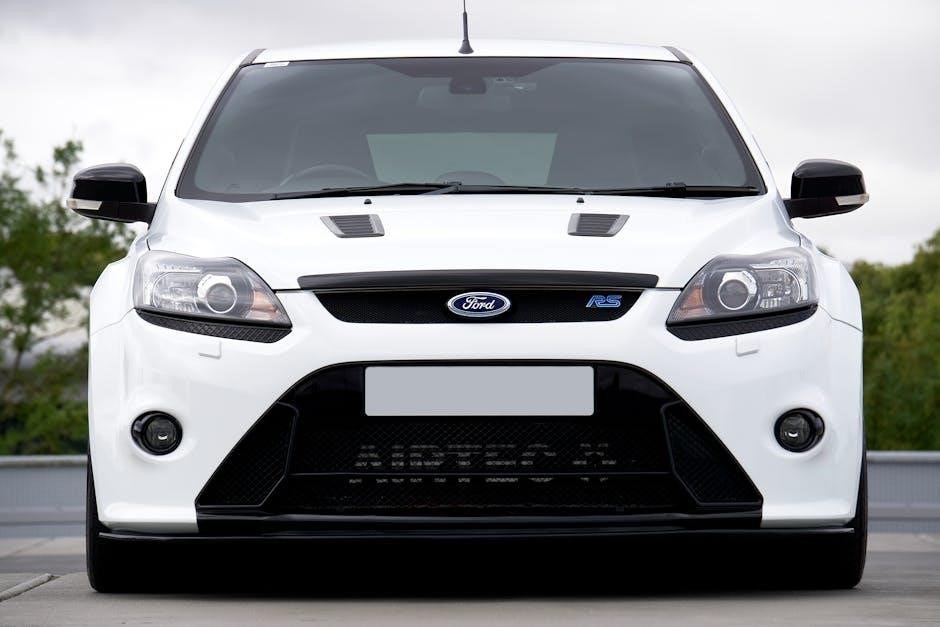
The Focus RS isn’t just about horsepower; it’s a holistic performance package. Its 2.3-liter EcoBoost engine‚ while potent‚ is only part of the story. The sophisticated all-wheel-drive system‚ featuring dynamic torque vectoring‚ allows for incredible cornering agility and control – a true game-changer.
But paired with a manual gearbox‚ the RS transforms. It demands active participation‚ fostering a direct link between driver and machine. This isn’t a car that drives for you; it responds to your inputs. The Recaro seats‚ aggressive styling‚ and tuned suspension further contribute to an immersive and thrilling driving experience‚ setting it apart from typical hot hatches.
B. Why Choose the Manual Transmission?
For purists‚ the choice is simple: the manual transmission in the Focus RS delivers an unmatched connection to the car. It provides complete control over gear selection‚ allowing you to precisely manage power delivery and maintain optimal engine speed.
While the automatic offers convenience‚ it lacks the engagement and responsiveness of a manual. The satisfying mechanical feedback‚ the deliberate act of shifting‚ and the ability to ‘heel-toe’ downshift all contribute to a more rewarding driving experience. It’s about more than just speed; it’s about feeling truly involved in the process‚ maximizing the RS’s potential and enjoying every moment behind the wheel.
C. Target Audience: Who is this Guide For?
This comprehensive guide is tailored for both new and experienced drivers of the Ford Focus RS equipped with a manual transmission. Whether you’ve just acquired this incredible machine or are a seasoned enthusiast looking to refine your skills‚ this resource offers valuable insights.
We aim to assist those transitioning from automatic transmissions‚ providing a detailed understanding of clutch control and shifting techniques. Equally‚ experienced manual drivers will find advanced tips on maximizing performance‚ including heel-toe downshifting and launch control. This guide also benefits owners planning track days or performance modifications‚ ensuring they get the most from their RS.
II. Understanding the Core Mechanics
The Ford Focus RS manual’s performance stems from a carefully engineered powertrain and drivetrain. This section details the fundamental components that contribute to its thrilling driving experience. We’ll explore the heart of the beast – the turbocharged EcoBoost engine – outlining its key specifications and power delivery characteristics.
A deep dive into the manual transmission itself will reveal the intricacies of its gear ratios and operational principles. Crucially‚ we’ll unpack the sophisticated all-wheel-drive system‚ explaining how it dynamically distributes torque for optimal grip and control in various driving scenarios. Understanding these core mechanics is vital for appreciating and maximizing the RS’s capabilities.
A. Engine Specifications & Performance
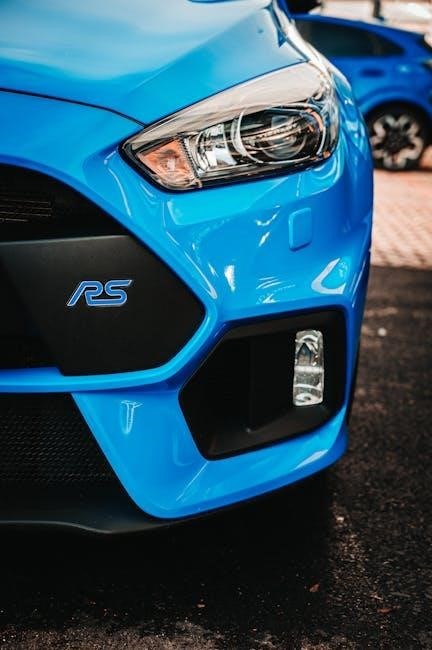
The Ford Focus RS boasts a potent 2.3-liter EcoBoost engine‚ a marvel of engineering delivering exhilarating performance. This powerplant generates 350 horsepower and 350 lb-ft of torque‚ providing a thrilling powerband throughout the rev range. Key specifications include direct fuel injection‚ a twin-scroll turbocharger‚ and a robust cast iron block.
Performance figures are equally impressive: 0-60 mph in approximately 4.7 seconds and a top speed electronically limited to 165 mph. The engine’s responsiveness and broad torque curve make it exceptionally well-suited for spirited driving‚ both on the road and the track. Understanding these specifications unlocks a deeper appreciation for the RS’s capabilities.
B. Transmission Details: Gear Ratios & Operation
The Ford Focus RS utilizes a robust 6-speed manual transmission‚ meticulously engineered to handle the engine’s substantial power output. Gear ratios are carefully calibrated for optimal acceleration and track performance. First gear is relatively short‚ providing brisk launches‚ while sixth gear is geared for comfortable highway cruising.
The transmission features a precise and tactile shift feel‚ enhancing driver engagement. Synchromesh technology ensures smooth and reliable gear changes. Reverse is located to the right and down‚ requiring a lift of the collar. Proper operation involves complete clutch disengagement and deliberate movements for seamless shifts‚ maximizing the driving experience.

C. The All-Wheel Drive System – Dynamic Performance
The Focus RS’s all-wheel-drive (AWD) system is a cornerstone of its exceptional handling. Utilizing a twin-clutch rear drive unit‚ it dynamically distributes torque between the rear wheels. This allows for independent rear wheel drive‚ enabling torque vectoring – a crucial element for cornering agility.
Drivers can select different drive modes‚ influencing the AWD system’s behavior. ‘Normal’ mode provides balanced all-weather capability‚ while ‘Sport’ sends more torque rearward for increased responsiveness. ‘Drift Mode’ unlocks maximum rear bias‚ facilitating controlled oversteer. The system reacts in milliseconds‚ optimizing grip and delivering a thrilling‚ confidence-inspiring driving experience.
III. Driving Techniques for the Manual Focus RS
Mastering the Ford Focus RS manual requires a refined skillset. Beyond basic operation‚ exploiting its performance demands precision. Smoothness is paramount; avoid abrupt inputs to maintain balance and maximize grip. Anticipate gear changes‚ utilizing the engine’s torque curve effectively.
Focus on consistent brake and throttle application‚ especially during cornering. The RS responds well to trail braking‚ allowing for late apexes. Practice heel-toe downshifting to seamlessly blend braking and gear changes. Understanding the car’s weight transfer and how it impacts handling is key to unlocking its full potential on both road and track.
A. Mastering the Clutch Control
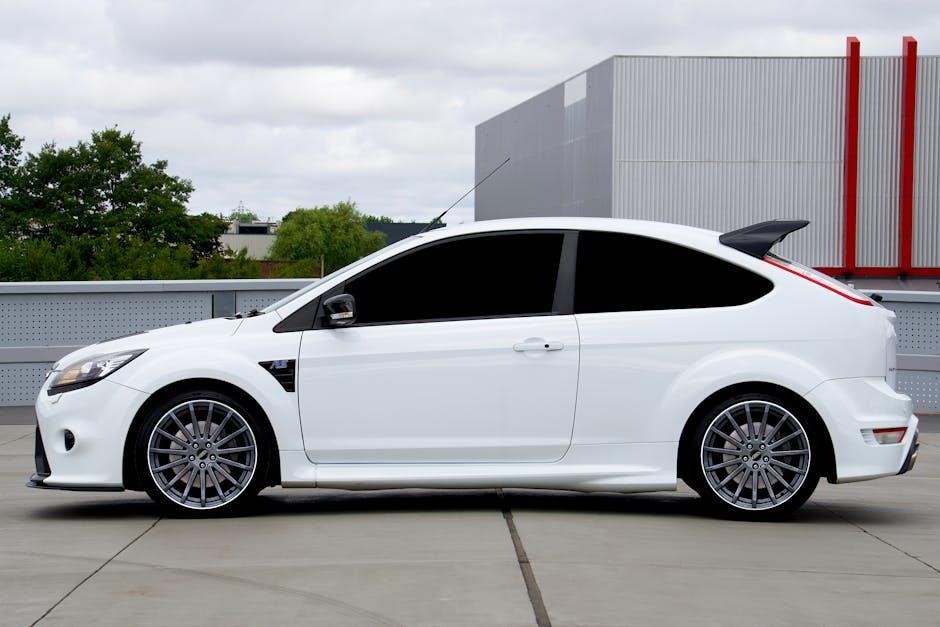
The clutch is your primary connection to the Ford Focus RS’s power. Smooth engagement is crucial‚ avoiding jerky starts and stalling. Find the ‘bite point’ – where the clutch begins to transmit power – through practice. This allows for controlled launches and seamless gear changes.
Practice lifting the clutch slowly while applying gentle throttle. For quicker shifts‚ learn to ‘short shift’ – minimizing clutch travel. Rev-matching during downshifts requires precise clutch control to synchronize engine speed with the lower gear. A well-modulated clutch enhances driving enjoyment and protects drivetrain components from unnecessary wear.
B. Smooth Shifting Techniques – Upshifting & Downshifting
Upshifting in the Focus RS should be swift and precise. Fully depress the clutch‚ move the gear lever to the next higher gear‚ and simultaneously release the clutch while gently applying throttle. Aim for a fluid motion‚ minimizing pauses between actions.
Downshifting requires ‘rev-matching’ – briefly blipping the throttle while the clutch is disengaged to raise engine RPMs. This synchronizes engine speed with the lower gear‚ preventing jolts. Practice coordinating clutch release with throttle input for seamless downshifts‚ especially during cornering. Mastering these techniques enhances control and driving pleasure.
C. Heel-Toe Downshifting Explained
Heel-toe downshifting is an advanced technique for smoother‚ faster corner entry in the Focus RS. It involves simultaneously braking with the ball of your foot and ‘blipping’ the throttle with your heel (or side of your foot). This rev-matches the engine during downshifts while maintaining braking force.
The goal is to prevent upsetting the car’s balance. Practice is crucial; start slowly‚ focusing on coordinating the movements. Proper pedal positioning and throttle control are key. Mastering heel-toe allows for incredibly precise and confident cornering‚ maximizing performance on track and spirited road driving.
D. Launch Control: Optimizing Acceleration
The Ford Focus RS features a sophisticated Launch Control system designed to deliver maximum acceleration from a standstill; Engage it by selecting Sport track mode‚ fully depressing the clutch and brake pedals‚ and then applying full throttle. The system manages engine output and launch RPM for optimal grip.
Release the clutch quickly but smoothly when prompted by the system. Avoid wheelspin by modulating throttle input if necessary. Launch Control isn’t just about brute force; it’s about controlled power delivery. Practice in a safe environment to understand its nuances and achieve consistent‚ blistering launches.
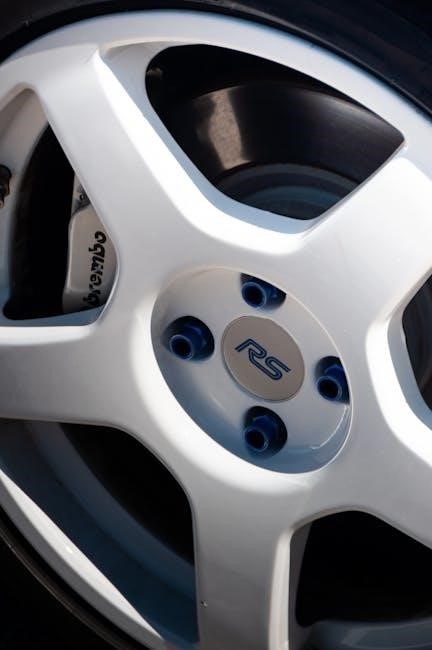
IV. Maintenance & Troubleshooting
Maintaining your Ford Focus RS manual transmission is crucial for longevity and performance. Regular checks of gearbox oil levels and condition are paramount‚ alongside inspecting clutch fluid for contamination. Listen for unusual noises – grinding‚ whining‚ or difficulty selecting gears – which could indicate internal issues.
Troubleshooting often begins with simple checks: linkage adjustments‚ master/slave cylinder leaks‚ and clutch cable play (if applicable). Don’t ignore warning signs; early intervention prevents costly repairs. A proactive approach to maintenance ensures your RS remains a thrilling and reliable driving machine.
A. Regular Maintenance Schedule
A strict maintenance schedule is vital for your Ford Focus RS manual. Every 6‚000 miles‚ inspect and potentially replace the gearbox oil – use only Ford-specified fluid. Check clutch hydraulic fluid annually‚ replacing it every two years to prevent corrosion. Inspect clutch disc wear every 12‚000 miles‚ or sooner with aggressive driving.
Additionally‚ examine shift linkage for looseness and lubricate all pivot points. Regularly inspect the clutch master and slave cylinders for leaks. Following this schedule minimizes downtime and maximizes the enjoyment and reliability of your performance vehicle‚ preserving its spirited nature.
B. Clutch Wear Indicators & Replacement

Recognizing clutch wear is crucial for preventing unexpected failures in your Ford Focus RS manual. Slipping during acceleration‚ particularly in higher gears‚ is a primary indicator. Difficulty selecting gears‚ or a grinding sensation‚ also suggests wear. A high clutch pedal‚ requiring less travel to engage‚ often signifies reduced friction material.
Replacement involves removing the transmission‚ so professional installation is recommended. Consider upgrading the clutch during replacement if you’ve increased engine power. Always resurface or replace the flywheel concurrently for optimal engagement. Budget for both parts and labor; a quality clutch kit and skilled mechanic are essential.
C. Common Manual Transmission Issues & Solutions
The Ford Focus RS manual transmission‚ while robust‚ can experience issues. Grinding gears often indicate synchro wear‚ requiring transmission rebuild or replacement. Difficulty shifting can stem from low or contaminated gearbox oil – a fluid change is the first step.
Worn shift linkage bushings contribute to sloppy gear selection; upgrading to solid bushings improves precision. Internal damage‚ like broken gears‚ necessitates a full transmission overhaul. Listen for unusual whining noises‚ potentially signaling bearing failure. Regular fluid checks and addressing minor issues promptly prevent costly repairs. Don’t ignore unusual vibrations!
D. Fluid Checks & Changes (Gearbox & Clutch)
Maintaining proper fluid levels is crucial for the Ford Focus RS manual transmission and clutch. Check gearbox oil every 15‚000 miles‚ looking for discoloration or metallic particles – indicating wear. Use only Ford-specified or equivalent GL-4 gear oil. Clutch fluid (hydraulic systems) should be inspected annually for leaks and contamination; bleed the system if necessary.
A complete gearbox oil change is recommended every 30‚000 miles. Ensure proper disposal of used fluids. Ignoring fluid maintenance leads to increased wear‚ shifting problems‚ and potential transmission failure. Regularly inspect clutch lines for corrosion and replace as needed to prevent sudden loss of clutch function.
V. Performance Modifications & Upgrades
Enhance your Focus RS manual’s capabilities with strategic upgrades. Clutch upgrades are vital for handling increased power from engine tuning; consider organic‚ ceramic‚ or hybrid options. A short shifter dramatically improves shift speed and feel‚ offering a more connected driving experience. Gear ratio adjustments can tailor acceleration and top speed‚ but require careful consideration of driving style and intended use.
Lightweight flywheels reduce rotational inertia‚ improving engine responsiveness. Always research compatibility and potential drawbacks before installing any modifications. Professional installation is recommended to ensure proper function and avoid damaging the drivetrain.
A. Clutch Upgrades for Increased Power
As power levels increase in your Ford Focus RS manual‚ the stock clutch may struggle to maintain grip‚ leading to slippage and performance loss; Upgrading the clutch is crucial for reliably transferring increased torque. Options include organic‚ ceramic‚ and hybrid clutches.
Organic clutches offer a similar feel to stock‚ suitable for moderate power gains. Ceramic clutches provide superior grip but are stiffer and less forgiving. Hybrid clutches balance performance and drivability. Consider the pressure plate and throw-out bearing alongside the disc for a complete upgrade. Proper break-in is essential to maximize clutch life and performance.
B. Short Shifter Installation & Benefits
A short shifter dramatically improves the driving experience in your Ford Focus RS manual by reducing the throw between gears; Installation typically involves replacing the factory shifter assembly with an aftermarket unit. While not overly complex‚ it requires some mechanical aptitude and the correct tools.
Benefits include quicker‚ more precise shifts‚ and a more connected feel to the gearbox. This translates to faster lap times on track and a more engaging experience on the road. Different short shifters offer varying degrees of reduction; choose one that suits your driving style. Ensure proper adjustment post-installation for optimal performance.

C. Gear Ratio Adjustments – Pros & Cons
Altering the final drive ratio or individual gear ratios in your Ford Focus RS manual can significantly impact performance. Pros include tailoring the gearing to specific track layouts or driving conditions – shorter ratios for quicker acceleration‚ longer for higher top speed. This can optimize power delivery and engine responsiveness.
However‚ cons exist. Changing ratios can compromise drivability on the road‚ potentially leading to a less comfortable cruising experience or requiring more frequent shifting. It’s an expensive modification‚ demanding professional installation and potentially affecting warranty coverage. Careful consideration of your intended use is crucial before undertaking such a change.
VI. Track Day Preparation & Driving
Preparing your Ford Focus RS manual for a track day demands meticulous attention. Begin with a thorough inspection: brakes‚ fluids (oil‚ coolant‚ brake fluid)‚ tires‚ and suspension components. Ensure all are in optimal condition. Lowering tire pressures slightly increases grip‚ but monitor carefully.
On track‚ prioritize smooth inputs. Master heel-toe downshifting for seamless corner entry. Brake progressively and avoid abrupt changes. Manage brake fade by cooling the brakes during straight sections. Be mindful of oil starvation during prolonged hard cornering. Finally‚ respect track limits and drive within your capabilities.
A. Pre-Track Inspection Checklist
Before hitting the track with your Ford Focus RS manual‚ a detailed inspection is crucial. Check fluid levels: engine oil‚ coolant‚ brake fluid‚ and gearbox oil. Inspect brake pads and rotors for wear. Examine tires for tread depth‚ damage‚ and proper inflation. Verify all lug nuts are tightened to specification.
Inspect suspension components – shocks‚ springs‚ bushings – for leaks or damage. Check for any loose bolts or connections. Ensure the clutch operates smoothly without slipping. Finally‚ confirm the functionality of all lights and safety equipment. A proactive checklist prevents costly breakdowns and ensures a safe track experience.
B. Optimal Tire Pressures for Track Use

Determining optimal tire pressures for your Ford Focus RS manual on track is vital for maximizing grip and tire life. Start with pressures between 34-38 PSI (cold) for most track conditions‚ but this is a baseline. Monitor tire temperatures throughout sessions using a pyrometer – aim for even temperature distribution across the tread.
Adjust pressures based on temperature readings; higher temps indicate over-inflation‚ lower temps suggest under-inflation. Consider ambient temperature and track surface. Slightly higher pressures can reduce sidewall roll during hard cornering. Regular monitoring and adjustments are key to finding the sweet spot for your driving style and conditions.
C. Brake Management Techniques on the Track
Mastering brake management is crucial for consistent lap times in your Ford Focus RS manual. Employ trail braking – gently reducing brake pressure as you enter a corner – to maintain weight transfer and maximize grip. Avoid abrupt‚ full-lock braking‚ which can upset the car’s balance.
Progressive braking allows for better control and reduces tire wear. Downshift appropriately to utilize engine braking‚ lessening the load on the brakes. Monitor brake pedal feel for signs of fade; if it feels soft‚ ease off and allow them to cool. Proper technique preserves brake components and enhances performance.
VII. Safety Considerations & Best Practices
Prioritizing safety is paramount when enjoying your Ford Focus RS manual. Always wear a helmet and appropriate safety gear‚ even during spirited road driving. Be aware of your surroundings and anticipate potential hazards. Respect speed limits and road conditions; the RS is capable‚ but not invincible.
Regularly inspect tires‚ brakes‚ and fluids before each drive. Understand the limits of your car and your own driving ability. Avoid distractions and focus solely on the task of driving. Consider advanced driving courses to hone your skills and enhance safety awareness. Responsible driving ensures enjoyment for years to come.
A. Understanding Traction Control & ESP
The Ford Focus RS utilizes advanced Traction Control (TC) and Electronic Stability Program (ESP) systems to enhance safety and control. TC limits wheelspin during acceleration‚ maximizing grip and preventing loss of traction‚ especially crucial with the RS’s potent power. ESP intervenes when the car detects a loss of control‚ applying brakes to individual wheels to help maintain stability.
These systems are adjustable‚ offering different modes to suit driving conditions and preferences. Fully disabling ESP allows for greater driver control but requires significant skill. Understanding the nuances of each setting is vital for optimizing performance and maintaining safety. Experiment responsibly in a controlled environment to learn how the systems behave.
B. Avoiding Wheelspin & Loss of Control
The Focus RS’s power demands respect; excessive throttle application‚ particularly on low-grip surfaces‚ can easily induce wheelspin. Progressive throttle control is key – smoothly increasing input rather than abrupt stomps. Anticipate corners and begin reducing speed before entering‚ utilizing engine braking effectively. Steering inputs should be precise and deliberate‚ avoiding sudden movements.
Proper weight transfer is crucial. Lifting off the throttle mid-corner can unsettle the car‚ potentially leading to oversteer. Maintaining a balanced approach – smooth steering‚ controlled throttle‚ and appropriate gear selection – minimizes the risk of losing control. Practice in a safe environment to build confidence and refine your technique.
C. Safe Driving Habits for a Performance Vehicle
Owning a Focus RS manual necessitates responsible driving habits. Always wear properly fastened seatbelts‚ and ensure passengers do the same. Regularly check tire pressures and tread depth – optimal grip is paramount; Be acutely aware of your surroundings‚ anticipating potential hazards and maintaining a safe following distance.
Avoid aggressive driving on public roads; the RS is best enjoyed in controlled environments like track days. Never drive under the influence of alcohol or drugs. Prioritize defensive driving techniques‚ expecting the unexpected from other road users. Regularly inspect your vehicle for any mechanical issues‚ addressing them promptly. Respect the car’s capabilities and your own limits.
VIII. Resources & Further Information
Expanding your knowledge of the Focus RS manual is crucial. Explore dedicated online forums like RS Owners Club and FocusRSWorld for invaluable community insights and troubleshooting advice. Official Ford documentation provides detailed specifications and maintenance schedules.
Consider subscribing to relevant YouTube channels showcasing RS driving techniques and modifications. For hands-on work‚ invest in quality tools – a torque wrench‚ diagnostic scanner‚ and jack are essential. Ford’s support website offers access to service manuals and parts diagrams. Remember to verify information from multiple sources and prioritize safety when performing any maintenance or upgrades.
A. Online Forums & Communities
The Ford Focus RS community thrives online‚ offering a wealth of knowledge. RS Owners Club is a highly active forum with dedicated sections for technical discussions‚ modifications‚ and regional meetups. FocusRSWorld provides a comprehensive archive of information‚ including DIY guides and troubleshooting tips.
Facebook groups dedicated to the Focus RS are also valuable for quick questions and sharing experiences. Reddit’s r/FocusRS offers a diverse range of discussions. When seeking advice‚ always verify information and consider the source’s expertise. Active participation in these communities can significantly enhance your ownership experience and help you resolve issues efficiently.
B. Official Ford Documentation & Support
Ford provides essential resources for Focus RS owners. The official Ford Owner Website allows access to your vehicle’s build sheet‚ owner’s manual (in digital format)‚ and recall information. Downloading the owner’s manual is crucial for understanding vehicle features and maintenance schedules.
Ford’s customer support can be reached via phone or online chat for warranty inquiries and technical assistance. FordPass‚ the official Ford app‚ offers vehicle health alerts and remote control features. While community forums are helpful‚ always prioritize information from official Ford sources for accurate and reliable guidance regarding your vehicle’s operation and maintenance.
C. Recommended Tools & Equipment
Maintaining a Focus RS requires specific tools. A quality torque wrench is essential for accurate tightening of bolts‚ especially during maintenance. A scan tool capable of reading Ford-specific diagnostic trouble codes (DTCs) is invaluable for troubleshooting. Jack stands are crucial for safe vehicle lifting‚ alongside a robust floor jack.
Specialized tools like a clutch alignment tool are needed for clutch replacement. Consider a magnetic oil drain plug for easier fluid changes. Gloves and safety glasses are vital for personal protection. Finally‚ a reliable battery charger is recommended for long-term storage or track day use‚ ensuring a ready-to-go RS!