
Understanding Basal Body Temperature (BBT) Charts
Basal Body Temperature (BBT) charting offers a valuable, accessible method for understanding your fertility and menstrual cycle․
Utilizing a BBT chart PDF, or a digital equivalent, allows meticulous temperature recording and analysis over time․
This practice empowers individuals attempting to conceive, or those practicing natural family planning, with insightful data regarding ovulation prediction․
What is Basal Body Temperature?
Basal Body Temperature (BBT) represents your lowest body temperature in a 24-hour period, achieved during a state of complete rest – typically while sleeping․ It’s a crucial metric when utilizing a BBT chart PDF for fertility awareness․ Unlike your regular body temperature, which fluctuates throughout the day, BBT remains relatively stable, offering a baseline for identifying subtle shifts․
These shifts are particularly important because a slight, sustained increase in BBT signals that ovulation has likely occurred․ This is due to the rise in progesterone levels after egg release․ Accurately measuring and recording your BBT on a BBT chart PDF allows you to pinpoint your fertile window․
Understanding your BBT isn’t about diagnosing medical conditions; it’s about recognizing the natural hormonal changes happening within your body, and leveraging that knowledge for family planning or simply gaining a deeper understanding of your cycle․ Consistent, daily measurements are key to a reliable BBT chart PDF analysis․
Why Chart BBT? – Tracking Fertility
Charting your Basal Body Temperature (BBT), often using a BBT chart PDF or a dedicated app, is a powerful tool for understanding your individual fertility patterns․ It’s particularly valuable for those actively Trying to Conceive (TTC), as it helps pinpoint the fertile window – the days leading up to and including ovulation․
By meticulously recording daily temperatures on your BBT chart PDF, you can identify the characteristic temperature shift that confirms ovulation has taken place․ This knowledge allows for timed intercourse, maximizing the chances of conception․ Furthermore, BBT charting isn’t solely for those TTC; it’s also beneficial for individuals practicing natural family planning, seeking to avoid pregnancy without hormonal contraception․
A well-maintained BBT chart PDF provides a visual representation of your cycle, empowering you with insights into your body’s natural rhythms and reproductive health․
BBT and the Menstrual Cycle
Your Basal Body Temperature (BBT) fluctuates throughout your menstrual cycle, influenced by hormonal changes․ Tracking these shifts using a BBT chart PDF reveals a distinct pattern linked to ovulation․ Typically, BBT remains relatively stable during the follicular phase (before ovulation)․
Following ovulation, progesterone levels rise, causing a noticeable increase in BBT – often between 0․4 and 1․0 degrees Fahrenheit․ This temperature shift, clearly visible on your BBT chart PDF, signifies that ovulation has occurred․ The sustained elevation in temperature continues until your next menstrual period․

Analyzing your BBT chart PDF over several cycles helps establish a baseline and identify the length of your luteal phase (the time between ovulation and menstruation)․ Understanding this relationship between BBT and your cycle is crucial for both fertility awareness and family planning․

Tools and Preparation for BBT Charting
Accurate BBT charting requires a specialized thermometer and a method for recording data, like a BBT chart PDF․
Preparation ensures consistent, reliable temperature readings for effective analysis․
Choosing a Basal Body Thermometer
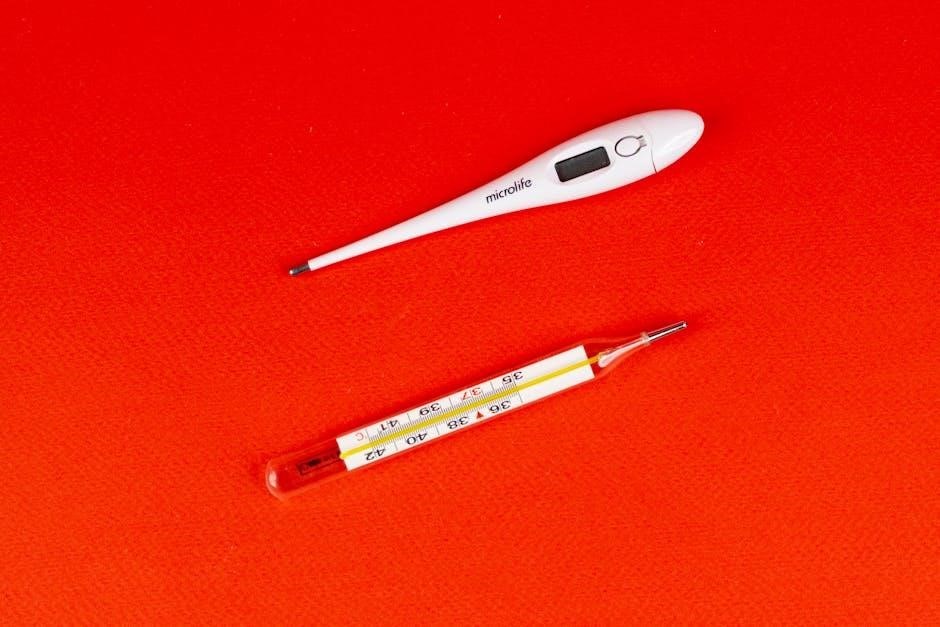
Selecting the right thermometer is crucial for accurate BBT charting, and directly impacts the usefulness of your BBT chart PDF․ Standard digital thermometers aren’t sensitive enough to detect the subtle temperature shifts indicative of ovulation․ You’ll need a basal body thermometer, specifically designed to measure temperature to the hundredth of a degree – for example, 97․85°F instead of simply 97․9°F․
These thermometers are readily available at most pharmacies or can be conveniently ordered online․ Consider whether you prefer a standard digital display or a more advanced model with features like Bluetooth connectivity to automatically sync data to a charting app, eliminating manual entry into your BBT chart PDF․ Some thermometers also have memory functions to store previous readings․
While more expensive options exist, a basic basal thermometer is perfectly adequate for effective charting․ The key is precision and consistency in measurement, regardless of the thermometer’s price point․ Ensure the thermometer you choose is easy to read and use, promoting adherence to your charting routine․
Understanding BBT Charting Methods – Digital vs․ Manual
BBT charting offers two primary approaches: digital and manual, both ultimately feeding data into your BBT chart PDF or app․ Manual charting involves recording your temperature each morning on a printed chart – a BBT chart PDF you download and print – and visually analyzing the trends․ This method provides a tangible record and fosters a deeper understanding of your cycle through direct observation․
Digital charting utilizes a basal body thermometer that syncs readings via Bluetooth to a smartphone app․ The app automatically generates the chart, analyzes the data, and often predicts ovulation․ This offers convenience and eliminates manual data entry into your BBT chart PDF․
The choice depends on preference․ Manual charting suits those who enjoy a hands-on approach, while digital charting appeals to those seeking automation and ease of use․ Both methods, when performed consistently, yield valuable insights for family planning or fertility awareness․
Downloading and Using a BBT Chart PDF
Utilizing a BBT chart PDF is a straightforward method for tracking your basal body temperature․ Numerous free, printable BBT chart PDF templates are readily available online from fertility awareness websites and healthcare providers․ Simply search “free BBT chart PDF” to find a suitable option․
Once downloaded, print the BBT chart PDF․ These charts typically include spaces for recording the date, your temperature reading, and notes about potential influencing factors like sleep disturbances or illness․ Consistency is key; record your temperature at the same time each morning before getting out of bed․
Carefully plot your temperature on the chart daily․ Over time, patterns will emerge, revealing your fertile window․ Familiarize yourself with interpreting the chart – identifying the coverline and potential ovulation dip – to gain valuable insights into your cycle․

Charting Your BBT – A Step-by-Step Guide

Consistent BBT charting, utilizing your BBT chart PDF, requires daily temperature readings before rising․ Accurate recording and diligent tracking are essential for insightful analysis․
When to Take Your Temperature
Timing is absolutely critical when charting your Basal Body Temperature (BBT) using a BBT chart PDF or digital method․ The most accurate reading is obtained immediately upon waking, before you even sit up or move․ Any activity can subtly raise your temperature, skewing the results and making interpretation difficult․
Ideally, set an alarm for the same time each morning, even on weekends, to maintain consistency․ Aim for a window of approximately 30 minutes to ensure reliability․ Before taking your temperature, ensure you’ve had at least three to four hours of uninterrupted sleep․ This allows for a true basal reading, reflecting your lowest body temperature during rest․
Keep your basal body thermometer readily accessible – ideally on your nightstand – to minimize movement․ Record the temperature directly onto your BBT chart PDF immediately after taking it․ This meticulous approach is fundamental to accurate ovulation detection and effective family planning․
Consistency is Key – Time and Method
Maintaining unwavering consistency is paramount when utilizing a BBT chart PDF for tracking your basal body temperature․ Deviations in timing or method can introduce inaccuracies, hindering effective interpretation․ Strive to take your temperature at the exact same time each morning, within a narrow window of, ideally, 30 minutes․
Furthermore, employ the same method consistently․ Whether you take your temperature orally, vaginally, or rectally, stick to that chosen route throughout your charting cycle․ Switching methods can alter readings․ Accurate recording on your BBT chart PDF is also vital; note any factors that might influence your temperature, like illness or late nights․
Remember, the goal is to establish a reliable baseline․ Consistent data, meticulously logged on your chart, provides the clearest picture of your hormonal shifts and ovulation patterns․
Recording Your Temperature on the Chart PDF
Accurately recording your daily temperature on the BBT chart PDF is crucial for meaningful analysis․ Immediately upon waking and taking your temperature, carefully note the reading on the designated space for that day․ Most BBT chart PDF templates are designed with a clear grid format for easy input․
Beyond the temperature itself, utilize the chart to document any potential influencing factors․ Note sleep disturbances, illness, alcohol consumption, or travel․ These details provide context when interpreting temperature shifts․ Many digital charting apps linked to BBT chart PDF options allow for these notes․
Consistent and detailed recording transforms the BBT chart PDF from a simple temperature log into a powerful tool for understanding your unique fertility patterns․

Interpreting Your BBT Chart
Analyzing your BBT chart PDF reveals patterns indicating ovulation․ Look for a sustained temperature rise, signifying progesterone production, and use this data for family planning․
Identifying the Coverline
The coverline, a crucial element when interpreting your BBT chart PDF, represents the “coverline” – a theoretical line drawn just above the highest temperature readings observed during the follicular phase of your menstrual cycle․ Determining this line isn’t about predicting a future temperature, but rather establishing a clear visual marker․
Initially, observe several cycles (at least three) on your BBT chart PDF to identify the highest temperatures before ovulation․ The coverline is then drawn horizontally across the chart, slightly above these pre-ovulatory temperatures․ This line serves as a benchmark; a sustained temperature rise above the coverline for at least three consecutive days strongly suggests ovulation has occurred․
Remember, the coverline isn’t fixed and may shift slightly from cycle to cycle․ Consistent and accurate temperature recording on your BBT chart PDF is vital for establishing a reliable coverline and accurately interpreting your fertility window․ It’s a key tool for both those trying to conceive and those practicing natural family planning․
Recognizing the Ovulation Dip
Often visible on a detailed BBT chart PDF, the ovulation dip is a slight temperature decrease typically observed immediately before ovulation․ This dip occurs due to the estrogen surge preceding egg release, influencing basal body temperature․ It’s not always present in every cycle, making it a helpful, but not definitive, indicator․
When reviewing your BBT chart PDF, look for a noticeable, though often small, drop in temperature – usually between 0․1 to 0․4 degrees Fahrenheit – occurring one to two days before the temperature rise that signifies ovulation․ This dip isn’t as reliable as the sustained post-ovulatory temperature increase, but can provide an early clue․
Careful observation of your BBT chart PDF over several cycles will help you identify if you consistently experience an ovulation dip, and how pronounced it is for you․ Combining this observation with other fertility signs enhances the accuracy of ovulation prediction․
Biphasic vs․ Monophasic Charts
Analyzing your BBT chart PDF reveals distinct patterns, categorized as biphasic or monophasic․ A biphasic chart, considered typical, displays two distinct phases: a lower temperature before ovulation and a sustained higher temperature after․ This clear shift confirms ovulation has occurred, easily visible on your BBT chart PDF․
Conversely, a monophasic chart exhibits a relatively consistent temperature throughout the cycle, lacking a noticeable sustained rise post-ovulation․ This pattern doesn’t necessarily indicate a problem, but may suggest irregular ovulation or difficulty identifying the temperature shift on the BBT chart PDF․
Reviewing several cycles on your BBT chart PDF is crucial․ Occasional monophasic charts aren’t alarming, but consistently monophasic patterns warrant discussion with a healthcare professional․ Understanding these patterns empowers informed family planning decisions․

Using BBT Charts for Family Planning
BBT chart PDF analysis provides valuable insights for both those trying to conceive and those practicing natural family planning methods․
Consistent charting aids in identifying fertile windows․
BBT for Trying to Conceive (TTC)
For those actively Trying to Conceive (TTC), a BBT chart PDF becomes an invaluable tool in pinpointing the optimal time for intercourse․ By diligently recording daily basal body temperatures and analyzing the resulting chart, you can accurately identify your ovulation window․
The slight temperature increase that occurs after ovulation signals the start of the luteal phase, indicating that an egg has been released․ Knowing this timeframe allows couples to time intercourse to maximize the chances of fertilization․ A BBT chart PDF helps visualize this shift, making it easier to understand your body’s signals․
Consistent charting over several cycles provides a clearer picture of your individual cycle length and ovulation patterns․ This data can be shared with a healthcare professional to further refine your TTC strategy․ Remember, a sustained temperature rise for at least three days is a strong indicator of successful ovulation, as documented on your BBT chart PDF․
BBT for Avoiding Pregnancy – Natural Family Planning
For individuals practicing Natural Family Planning (NFP) to avoid pregnancy, a meticulously maintained BBT chart PDF is crucial․ By tracking basal body temperature, you can identify the fertile window and abstain from intercourse during those days․
The temperature shift indicating ovulation signifies the beginning of the fertile period․ Consistent charting, documented on your BBT chart PDF, allows you to reliably predict when you are most likely to conceive․ Avoiding intercourse for several days before and during the temperature rise significantly reduces the risk of pregnancy․
It’s important to understand that NFP requires diligence and consistent tracking․ A BBT chart PDF provides a visual record of your cycle, enabling you to identify patterns and make informed decisions․ Combining BBT charting with other NFP methods, like cervical mucus monitoring, enhances effectiveness․

Troubleshooting BBT Charting
Unexpected BBT patterns on your chart PDF can occur․ Factors like illness, travel, or late sleep can influence readings, requiring careful note-taking and analysis․
Factors That Can Affect BBT
Numerous elements beyond ovulation can influence your Basal Body Temperature (BBT) readings, potentially skewing interpretations of your chart PDF․ It’s crucial to diligently document these occurrences alongside your daily temperatures for accurate analysis․
Illness, even a common cold, often elevates BBT․ Travel, particularly across time zones, disrupts your sleep cycle and hormonal balance, impacting readings․ Alcohol consumption the night before can also raise your temperature․ Late nights or insufficient sleep will similarly affect results, emphasizing the importance of consistent sleep schedules․
Stress, both emotional and physical, can influence hormonal fluctuations and BBT․ Certain medications may also have an impact․ Even minor changes in your routine, like a significantly different bedtime, can contribute to variations․ Therefore, detailed notes on your chart PDF are essential for distinguishing between temperature shifts caused by ovulation and those stemming from external factors․
When to Consult a Healthcare Professional
While BBT charting, utilizing a chart PDF or app, is a valuable tool, it’s not a substitute for professional medical advice․ Seek guidance from a healthcare provider if you encounter persistent irregularities or concerns․
Inconsistent or absent ovulation patterns, despite diligent charting, warrant investigation․ If you’re trying to conceive for over six months (under 35) or three months (over 35) without success, consult your doctor․ Similarly, if you suspect a hormonal imbalance based on your BBT chart PDF, professional evaluation is recommended․
Unusual temperature shifts or patterns that don’t align with your cycle should also be discussed․ Don’t hesitate to seek medical attention if you experience any accompanying symptoms like irregular periods, pelvic pain, or changes in cervical mucus․ Your healthcare provider can offer personalized guidance and rule out any underlying medical conditions․
Resources for BBT Charting – Websites and Apps
Numerous online resources simplify BBT charting, moving beyond traditional chart PDF printouts․ Fertility Friend (fertilityfriend․com) is a popular website offering advanced charting features and analysis tools․ Another excellent option is Modern Fertility, providing comprehensive tracking and insights․
For mobile convenience, several apps are available․ Flo, a widely used period tracker, incorporates BBT charting functionality․ Read Your Body (readyourbody․com) offers detailed guides and a dedicated app for natural family planning․
Many free BBT chart PDF templates are also accessible online, allowing manual tracking․ Websites like Vertex42 provide downloadable charts․ Remember to choose resources that align with your preferences and charting method, ensuring accurate data recording and interpretation for optimal family planning or fertility awareness․