Mirro Pressure Cooker Instructions: A Comprehensive Guide
Navigating modern canning requires updated guidance; older manuals are often unreliable for newer Mirro models. Accessing resources like Yahoo Groups and ManualsLib provides valuable, current information.
Understanding Your Mirro Pressure Cooker
Mirro pressure cookers and canners represent a long-standing tradition of home food preservation, but understanding their operation is crucial for safety and success. Modern Mirro models differ significantly from older versions, rendering many original manuals obsolete. Consequently, relying on outdated instructions can lead to improper processing times and potentially unsafe results.
It’s vital to recognize that these appliances combine speed and efficiency with the need for precise adherence to guidelines. Familiarizing yourself with the specific features of your model – whether used for quick weeknight meals or long-term canning – is paramount. Resources like online forums and updated manuals (available through sites like ManualsLib and Yahoo Groups) are essential for navigating the nuances of contemporary Mirro cookers.
Identifying Your Model Number
Locating your Mirro pressure cooker’s model number is the first step towards accessing the correct operating instructions and ensuring safe usage. This number is typically found on the underside of the cooker body, often etched into the metal or printed on a sticker. Common model numbers include 92040, 92060, 92041, 92012, 92022, 92051, and 92080.
Knowing your specific model is critical because instructions vary between designs. Older manuals may not apply to newer models, making accurate identification essential. Once you have the model number, you can search online databases like ManualsLib for the corresponding instruction manual. This ensures you’re following the correct procedures for your appliance, maximizing safety and preserving food effectively.
Safety Precautions Before First Use
Prior to your initial use of a Mirro pressure cooker, meticulous inspection is paramount. Carefully examine the gasket and sealing ring for any cracks, damage, or deformities – replace if necessary. Ensure the pressure regulator and vent pipe are clear of obstructions; a blocked vent can lead to dangerous pressure buildup.
Familiarize yourself thoroughly with the lid-locking mechanisms, verifying they function smoothly and securely. Never attempt to force the lid open. Always read the instruction manual specific to your model number, as procedures differ. Ignoring these precautions can compromise safety and potentially result in injury. Proper preparation and understanding are key to safe and successful pressure cooking and canning.
Components of a Mirro Pressure Cooker
A Mirro pressure cooker comprises several key elements working in harmony. The robust pot itself provides the cooking vessel, while the securely fitting lid is crucial for pressure containment. Locking mechanisms ensure a tight seal during operation, preventing accidental lid removal. The pressure regulator, often a weighted gauge, controls internal pressure levels.
Essential components also include the gasket and sealing ring, creating an airtight seal between the lid and pot. Understanding each part’s function is vital for safe and effective use. Different models may feature variations in these components, so referencing your specific manual is always recommended for accurate identification and operation.
The Lid and Locking Mechanisms
The Mirro pressure cooker lid is engineered for a secure, airtight seal, essential for building and maintaining internal pressure. Locking mechanisms are paramount; they prevent the lid from being opened while pressure remains inside, a critical safety feature. These mechanisms vary by model but generally involve a specific alignment and locking procedure, often with audible clicks or visual indicators.
Proper lid engagement is non-negotiable. Always ensure the lid is correctly positioned and fully locked before applying heat. Inspect the sealing surfaces for any debris or damage that could compromise the seal. Familiarize yourself with your model’s specific locking instructions, as incorrect operation can lead to dangerous situations.
Pressure Regulator and Weight Options
Mirro pressure cookers utilize pressure regulators – often weights – to maintain a consistent internal pressure. These weights come in different sizes, each corresponding to a specific pressure level (typically 15 PSI for canning and 10 PSI for faster cooking). Understanding your recipe’s required pressure is crucial for safe and effective operation.

The weight jiggles or rocks gently when the correct pressure is reached, releasing excess steam. Never attempt to alter or obstruct the regulator’s function. Some models may feature adjustable regulators, allowing for precise pressure control. Always refer to your manual for guidance on selecting and using the appropriate weight for your intended purpose, ensuring optimal results and safety.
Gasket and Sealing Ring
The gasket, or sealing ring, is a vital component ensuring a tight, leak-proof seal between the pot and the lid. Typically made of rubber or silicone, it creates the necessary pressure environment for cooking and canning. Regular inspection is paramount; check for cracks, brittleness, or deformation before each use.
Proper gasket care extends its lifespan and maintains safety. After each use, remove the gasket, wash it with warm, soapy water, and allow it to dry completely. Avoid harsh chemicals or abrasive cleaners. Replace the gasket if any damage is detected, as a compromised seal can lead to pressure loss and potentially dangerous situations. A properly seated gasket is essential for successful pressure cooking.
Getting Started: Basic Operation
Beginning with your Mirro pressure cooker requires understanding the fundamental steps for safe and effective operation. First, ensure the pressure cooker is clean and all components are correctly assembled. Adding liquids is crucial; always include the minimum amount specified in your recipe – typically 1-2 cups – to generate steam and prevent scorching.
Food is then added, but avoid overfilling, generally not exceeding two-thirds of the pot’s capacity. Secure the lid properly, aligning the markings and ensuring it locks into place. Incorrectly secured lids can prevent proper pressurization and pose a safety risk. Familiarize yourself with the locking mechanism specific to your model before proceeding.
Adding Liquids and Food
Proper liquid and food proportions are vital for successful pressure cooking with your Mirro cooker. Always begin by adding the required amount of liquid – water, broth, or juice – as specified in your recipe. This creates the necessary steam for pressure build-up. A minimum of 1 to 2 cups is generally recommended, but check your recipe carefully.
Next, add your food, being mindful not to overfill the pot. A common guideline is to fill the cooker no more than two-thirds full. For foods that expand during cooking, like beans or grains, reduce the fill level to one-half. Overfilling can cause clogging of the vent pipe and potentially dangerous pressure build-up. Layer ingredients appropriately for even cooking.
Securing the Lid Properly
Correct lid placement is paramount for safe operation of your Mirro pressure cooker. Ensure the sealing ring (gasket) is correctly positioned within the lid’s rim – it should sit snugly and evenly all the way around. Align the lid with the pot, typically with a specific indicator marking, and lower it into place.
Rotate the lid firmly until it locks securely. Most Mirro models feature a locking mechanism that audibly clicks or visibly indicates a secure seal. Never attempt to operate the pressure cooker if the lid isn’t fully locked. A properly sealed lid is crucial for maintaining consistent pressure and preventing steam leaks, which could lead to inaccurate cooking times or potential hazards.
Pressure Cooking vs. Pressure Canning
While both utilize pressure, pressure cooking and canning serve distinct purposes. Pressure cooking is a faster method for cooking food – think tenderizing meats or quickly preparing vegetables – and is intended for immediate consumption; It operates at lower pressures and shorter durations than canning.
Pressure canning, however, is a food preservation technique. It employs higher temperatures and longer processing times to eliminate harmful bacteria, creating a vacuum seal that prevents spoilage. This allows for long-term storage at room temperature. It’s vital to follow precise canning recipes and procedures to ensure food safety; simply pressure cooking food doesn’t render it shelf-stable.
Pressure Cooking Times for Common Foods
Determining accurate pressure cooking times is crucial for both texture and safety. While specific times vary based on your Mirro model and altitude, general guidelines exist. For example, vegetables like carrots typically require 3-5 minutes at high pressure, while potatoes may take 8-12 minutes.
Meats demand longer cooking times. A 3-4 pound roast might need 30-40 minutes, whereas poultry, like a whole chicken, could require 20-25 minutes per pound. Always consult a reliable recipe or chart specifically designed for pressure cookers. Remember that these times are after the cooker reaches full pressure – the time to reach pressure isn’t included!
Vegetables and Fruits
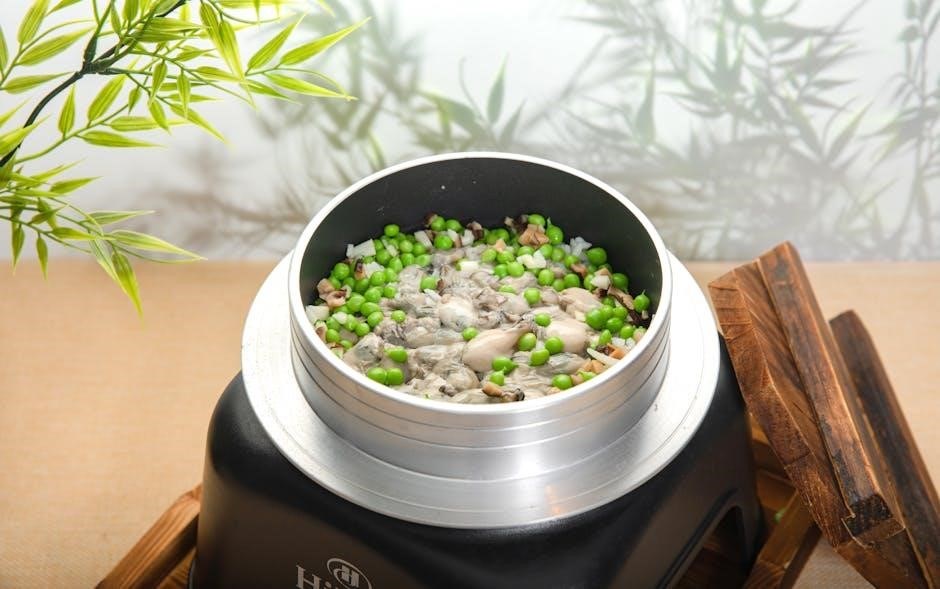
Pressure cooking vegetables and fruits retains vibrant color and essential nutrients, offering a quick and healthy cooking method. Root vegetables, such as carrots and beets, generally require 3-7 minutes of processing time at high pressure, depending on size and desired tenderness. Delicate vegetables like broccoli or green beans need only 1-3 minutes.
Fruits benefit from shorter cooking times. Apples for applesauce might take 5-8 minutes, while peaches for canning could require 6-10 minutes. Always ensure adequate liquid is present to prevent scorching. Remember to adjust cooking times based on your altitude and the specific Mirro model you are using for optimal results.
Meats and Poultry
Pressure cooking dramatically reduces cooking times for tougher cuts of meat, resulting in tender and flavorful dishes. Larger roasts, like beef chuck, may require 30-45 minutes under pressure, while smaller cuts, such as stewing beef, can be ready in 20-25 minutes. Poultry benefits similarly; a whole chicken can be cooked in approximately 25-30 minutes, significantly faster than conventional methods.
Always ensure sufficient liquid is added to prevent burning and maintain proper pressure. Adjust cooking times based on the weight of the meat and your altitude. Remember to allow for natural pressure release for poultry to ensure it’s fully cooked and safe to consume. Consult reliable recipes for specific timings.
Pressure Canning: A Detailed Overview
Pressure canning is crucial for low-acid foods like vegetables, meats, and poultry, eliminating the risk of botulism – a potentially fatal foodborne illness. Unlike water bath canning, pressure canning reaches temperatures high enough to destroy Clostridium botulinum spores. It’s essential to follow tested recipes and processing times precisely, as deviations can compromise safety.
Modern guidance emphasizes the importance of updated instructions, as older manuals may contain inaccurate or unsafe recommendations. Understanding the principles of heat penetration and proper venting is vital for successful and safe pressure canning. Prioritize safety by utilizing current resources and verified recipes for optimal results.
Why Pressure Canning is Important
Pressure canning is absolutely essential when preserving low-acid foods, including most vegetables, meats, and poultry. These foods don’t have sufficient acidity to prevent the growth of Clostridium botulinum, the bacteria that produces the deadly botulinum toxin. Reaching temperatures of 240°F (116°C) – achievable only with a pressure canner – destroys these spores, ensuring food safety.
Water bath canning is insufficient for these items, posing a serious health risk. Utilizing a Mirro pressure canner, and adhering to current, tested recipes, is paramount. Outdated manuals can be unreliable; prioritize current guidelines for safe and effective preservation. Proper canning safeguards your family’s health and allows for long-term food storage.
Preparing Jars and Lids
Thorough preparation of jars and lids is crucial for a successful seal. Inspect jars for any chips or cracks, discarding any damaged ones. Wash jars in hot, soapy water, or run them through a dishwasher cycle. Sterilization is typically recommended for processing times exceeding 10 minutes; boil jars for 10 minutes at altitudes under 1,000 feet, adjusting for higher elevations.
Modern lids no longer require pre-heating, according to current recommendations. However, gently warming them in hot water can soften the sealing compound. Ensure the sealing surface is clean and free of debris. Always use new lids for each canning process; reusing lids can compromise the seal. Proper preparation minimizes the risk of spoilage and ensures long-term food preservation.
Processing Times for Canning (Based on Altitude)
Altitude significantly impacts boiling points, necessitating adjustments to processing times. Lower atmospheric pressure at higher elevations reduces the temperature at which water boils, potentially leading to under-processing and spoilage. Accurate processing times are vital for food safety.
Below 1,000 feet (Low Altitude), follow the recommended processing times listed in tested recipes. Between 1,001 and 2,000 feet (Medium Altitude), increase processing times by 5 minutes. Above 2,001 to 6,000 feet (High Altitude), increase processing times by 10 minutes. Always consult reliable canning resources for specific food recommendations and adjust accordingly. Failure to adjust for altitude can result in unsafe canned goods.
Low Altitude (0-1,000 ft)
For those residing at elevations between 0 and 1,000 feet, standard processing times detailed in tested canning recipes apply directly. At these lower altitudes, water reaches a boiling point of 212°F (100°C), providing sufficient heat for effective sterilization and preservation of canned goods.
Ensure your Mirro pressure cooker reaches the correct pressure (typically 10-15 PSI, depending on the recipe) and maintains it consistently throughout the entire processing time. Precise adherence to recipe instructions is crucial for safety and quality. Always verify your gauge’s accuracy before beginning, and never deviate from recommended times or procedures.
Medium Altitude (1,001-2,000 ft)
When canning at medium altitudes, ranging from 1,001 to 2,000 feet above sea level, adjustments to processing times are necessary. The lower boiling point of water at these elevations requires increased processing to ensure adequate food preservation. Typically, an additional 5 minutes is added to the processing time specified in tested recipes.
Consult reliable canning resources, such as the National Center for Home Food Preservation, for specific adjustments based on the food being canned. Maintaining the correct pressure within your Mirro pressure cooker is vital; ensure your gauge is accurate and functioning correctly. Safety is paramount, so always prioritize following established guidelines.
High Altitude (2,001-6,000 ft)
Canning at higher altitudes, between 2,001 and 6,000 feet, demands significant adjustments to processing times due to the reduced atmospheric pressure and lower boiling point of water. Failure to adjust can lead to under-processing and potential food spoilage, posing health risks. Generally, increase processing times by 10 minutes for elevations within this range.
Always refer to tested recipes and guidelines from reputable sources like the USDA Complete Guide to Home Canning. Accurate pressure regulation is crucial; verify your pressure cooker’s gauge regularly. Prioritize safety and thoroughly understand the specific requirements for high-altitude canning to ensure the preservation of your food.
Troubleshooting Common Issues
Encountering problems with your Mirro pressure cooker is common, but often easily resolved. If the cooker fails to reach pressure, ensure a proper seal by checking the gasket for damage or debris. Verify sufficient liquid is present, as inadequate liquid prevents pressure buildup. Food burning often indicates insufficient liquid or too high a heat setting; reduce heat and add more liquid next time.
Always prioritize safety; never attempt to open the cooker while pressure remains inside. Consult your manual for specific troubleshooting steps related to your model. If issues persist, discontinue use and seek guidance from experienced canners or the manufacturer’s support resources.
Pressure Cooker Not Reaching Pressure
A common frustration is a Mirro pressure cooker failing to build adequate pressure. First, meticulously inspect the sealing gasket for any cracks, nicks, or embedded food particles – even minor imperfections compromise the seal. Ensure the lid is correctly aligned and securely locked into place; improper locking prevents pressure development.
Insufficient liquid is another frequent culprit. Always adhere to the minimum liquid requirements specified in your recipe. Finally, verify the vent port isn’t blocked. If problems persist, try a different burner or stovetop, as inconsistent heat can hinder pressure buildup. Remember safety first – never force the lid!
Food Burning During Cooking
If food is scorching within your Mirro pressure cooker, insufficient liquid is the primary suspect. Always ensure you’re using the minimum liquid volume recommended for your recipe, and consider adding a bit more, especially with thicker sauces or stews. Another cause can be food stuck to the bottom of the pot before pressure builds.
Stirring food thoroughly before sealing the lid helps prevent this. Lowering the heat setting after pressure is reached is also crucial; maintaining excessively high heat can lead to burning. Finally, check the pressure regulator – a faulty regulator might cause inconsistent pressure, contributing to uneven cooking and scorching.
Cleaning and Maintenance
Regular cleaning extends the life of your Mirro pressure cooker and ensures safe operation. After each use, thoroughly wash the pot, lid, and all removable parts with warm, soapy water. Avoid abrasive cleaners that could damage the surfaces. Pay close attention to the gasket and sealing ring; inspect for cracks, hardening, or deformation.
Proper gasket care is vital – hand wash it gently and store it properly when not in use. Avoid twisting or stretching the gasket. When storing your pressure cooker, ensure all parts are completely dry to prevent rust or mildew. Store the lid upside down on the pot to allow for air circulation.
Proper Gasket Care
The gasket is crucial for a secure seal, demanding diligent care. Always hand wash the gasket with warm, soapy water after each use; avoid dishwashers as heat can degrade the rubber. Inspect it meticulously for cracks, hardening, or any signs of deformation – replace it if any damage is found.
Proper storage prevents premature wear. Avoid twisting or stretching the gasket during cleaning or storage. Store the gasket separately, away from direct sunlight and extreme temperatures; It’s best to keep it in a cool, dry place. Regularly check the gasket even during storage to ensure its continued flexibility and integrity for safe pressure cooking.
Storing Your Pressure Cooker
Proper storage extends the life of your Mirro pressure cooker. Before storing, ensure the cooker is completely dry, inside and out, to prevent rust and corrosion. Remove the gasket and store it separately, as detailed in the gasket care instructions, to maintain its flexibility.
Avoid stacking heavy items on top of the cooker, which could damage the lid or body. Store the lid upside down on the pot to allow for air circulation. A cool, dry location is ideal; avoid damp basements or hot attics. Consider placing a protective layer, like cardboard, between components to prevent scratches during long-term storage.
Finding Manuals and Resources
Locating reliable information is crucial for safe and effective use of your Mirro pressure cooker. Older manuals may contain outdated or inaccurate instructions, particularly for newer models. A valuable resource is the Yahoo Groups archive, specifically the “PressureCookerRecipes” group, offering a collection of Mirro manuals in PDF format – joining the group may be required for access.
ManualsLib is another excellent online repository, hosting various Mirro instruction and recipe booklets, including models 92040, 92060, and others. Additionally, Healthy Canning, in partnership with Facebook’s Canning for Beginners group, provides updated guidance and addresses the discrepancies found in older publications. Always prioritize current, book-based safety information.