Understanding the Product
Roundup is a glyphosate-based herbicide that disrupts plant growth by inhibiting EPSP synthase, leading to protein synthesis failure. It’s effective on broadleaf weeds and grasses, offering rapid, non-selective control when applied correctly. Its low toxicity to mammals absorption make it popular s.
What is Roundup and How It Works
Roundup is a commercial glyphosate-based herbicide first introduced by Monsanto in 1974. Its core active ingredient, glyphosate, is a systemic, non-selective chemical that interferes with the shikimate pathway, a metabolic route essential for the synthesis of aromatic amino acids in plants. By binding to the enzyme 5-enolpyruvylshikimate‑3‑phosphate synthase (EPSPS), glyphosate prevents the conversion of shikimate‑3‑phosphate into 5‑enolpyruvylshikimate‑3‑phosphate, effectively halting the production of phenylalanine, tyrosine, and tryptophan. Without these amino acids, protein synthesis collapses, leading to chlorosis, necrosis, and eventual plant death. The systemic nature of glyphosate allows it to be absorbed through leaves, stems, and roots, then translocated via the phloem to all living tissues, ensuring comprehensive control of target weeds and grasses; Roundup formulations often contain surfactants and adjuvants that enhance penetration and adhesion, improving efficacy under a range of environmental conditions. While glyphosate is effective against a wide spectrum of broadleaf and grassy weeds, it is non-selective, meaning it will also kill any plant it contacts, so careful application is essential. The product’s safety profile for humans and pets is generally considered low when used as directed, but it requires proper handling and protective equipment to avoid skin contact and inhalation of dust or aerosols. Regulatory agencies worldwide have approved glyphosate for use in agriculture, horticulture, and residential settings, with ongoing research and debate regarding its environmental persistence and potential health effects. Nonetheless, Roundup remains a widely used tool for weed management due to its rapid action, broad-spectrum activity, and relative affordability.
In addition to its primary mode of action, glyphosate’s chemical structure allows it to bind to soil particles, which can influence its availability to plants; this adsorption can reduce drift and environmental runoff. Farmers often apply Roundup in pre‑emergence or post‑emergence scenarios, tailoring concentration and timing to crop type and weed life cycle. The product is available in various strengths, from 2% to 20% active ingredient, and can be mixed with water or applied as a ready‑to‑use spray. When using concentrated formulations, dilution ratios must be carefully calculated to avoid phytotoxicity to desirable vegetation. The efficacy of Roundup also depends on environmental factors such as temperature, humidity, and rainfall; optimal conditions typically involve temperatures between 15°C and 30°C, low wind speeds, and no rain within 24 hours of application. Despite its widespread use, glyphosate has faced scrutiny over potential links to non‑cancerous health conditions and ecological impacts, prompting some regions to restrict or ban its use. Users should stay informed about local regulations and best practices to ensure responsible application and minimize unintended consequences.
Moreover, recent studies suggest that repeated exposure to glyphosate may alter soil microbial communities, affecting nutrient cycling and plant health over time. Therefore, integrated weed management strategies that combine chemical, mechanical, and cultural methods are recommended to reduce reliance on a single herbicide;
Active Ingredients and Their Potency
Roundup’s core active ingredient is glyphosate, a broad‑spectrum systemic herbicide that disrupts the shikimate pathway by competitively inhibiting the enzyme 5‑enolpyruvylshikimate‑3‑phosphate synthase (EPSPS). This blocks the synthesis of essential aromatic amino acids—phenylalanine, tyrosine, and tryptophan—leading to protein synthesis failure, chlorosis, and plant death. Glyphosate’s potency stems from its tight binding to the EPSPS active site, a conserved property across most broadleaf and grassy weeds. Commercial Roundup formulations also contain surfactants such as polyethoxylated tallow amine or non‑ionic surfactants, which enhance leaf penetration, reduce surface tension, and improve systemic translocation. These adjuvants can increase efficacy by up to 30 % in some cases, especially under high‑humidity or low‑temperature conditions. The herbicide is available in strengths ranging from 2 % for household use to 20 % for agricultural applications; proper dilution is critical to avoid phytotoxicity or sub‑optimal weed control. Regulatory agencies like the U.S. EPA and the European Food Safety Authority have evaluated glyphosate’s toxicity profile, concluding that, when used as directed, it presents a low acute risk to humans and pets. However, its environmental persistence and potential to affect soil microbial communities have prompted ongoing research and, in some jurisdictions, restrictions on its use. Users should follow label instructions, employ appropriate protective equipment, and consider integrated weed management strategies to mitigate adverse effects while maximizing the herbicide’s potency.
The application of Roundup requires careful consideration of local regulations, environmental conditions, and crop sensitivity. By adhering to label guidelines and employing best practices, users can achieve effective weed suppression now.!

Safety Precautions
Always wear gloves, goggles, and long sleeves. Keep children and pets away. Avoid contact with skin and eyes; rinse immediately if exposed. Store in a cool, dry place, sealed. Follow label directions and local regulations.Never spray on windy days to avoid drift.Carefully.
Personal Protective Equipment (PPE) Guidelines
When handling Roundup, protective gear is essential to prevent skin contact, inhalation, and eye exposure; Begin by selecting chemical‑grade gloves that resist glyphosate penetration; nitrile or neoprene gloves are recommended. Ensure gloves fit snugly and are free of tears. Next, wear a full‑sleeve, long‑sleeved shirt made of durable fabric to shield arms and torso. A disposable coverall or a dedicated work jacket can further reduce contamination.
Eye protection is mandatory: safety goggles or a face shield must be worn at all times during mixing and spraying. Goggles should have side shields to block splashes. If you work near water sources or in windy conditions, consider a respirator rated for organic vapor to protect against aerosolized particles. A half‑mask or full‑mask respirator with appropriate filters is advised if you are sensitive to irritants.
Footwear should be closed‑toe, chemical‑resistant boots that provide ankle support. Avoid sandals or open‑toe shoes. Additionally, wear a long‑sleeved work shirt and pants to cover exposed skin. In humid or hot climates, a breathable, moisture‑wicking base layer can help maintain comfort while still offering protection.
Before starting, read the product label for specific PPE recommendations. Label warnings may require additional gear such as a face mask or protective clothing for certain formulations. Dispose of contaminated materials in accordance with local regulations.Thanks
Environmental Impact and Restricted Use Zones
Glyphosate, the active ingredient in Roundup, is a broad‑spectrum herbicide that can persist in soil and water for varying periods depending on conditions. While it is effective at controlling unwanted vegetation, its environmental footprint must be managed carefully. In aquatic ecosystems, runoff can harm non‑target plants and aquatic organisms, disrupting food webs. In soil, repeated applications may alter microbial communities, potentially affecting nutrient cycling. Therefore, operators should avoid spraying near streams, ponds, wetlands, or any water bodies that could receive runoff. Additionally, avoid application during heavy rain or when wind speeds exceed 15 mph to reduce drift onto neighboring properties or sensitive habitats.
Certain regions have regulatory restrictions on glyphosate use. For example, some municipalities prohibit its application within a specified distance of schools, parks, or residential areas. In agricultural settings, integrated pest management guidelines recommend rotating herbicides to mitigate resistance development. Farmers should consult local extension services for region‑specific guidelines and obtain any required permits before applying Roundup in restricted zones. By respecting these boundaries and following best practices, users can minimize ecological disruption while maintaining effective weed control.
To further reduce environmental impact, operators can employ buffer zones of at least 30 ft around water bodies and no‑spray areas. Employing precision sprayers with calibrated nozzles can limit drift. Post‑application, monitor soil moisture and avoid re‑application until the residue has degraded, typically 7–14 days after treatment. By combining these practices with responsible disposal of containers and adhering to local regulations, the ecological footprint of Roundup can be substantially lowered. Adhere to local rules today!!


Preparation Before Application
Before spraying, inspect the area for water bodies, wind, and nearby vegetation. Mark target weeds, calculate volume, and mix the correct dilution. Keep the solution fresh, store containers safely, and verify label instructions for safety. Use caution always.!
Identifying Targeted Weeds and Grass Types
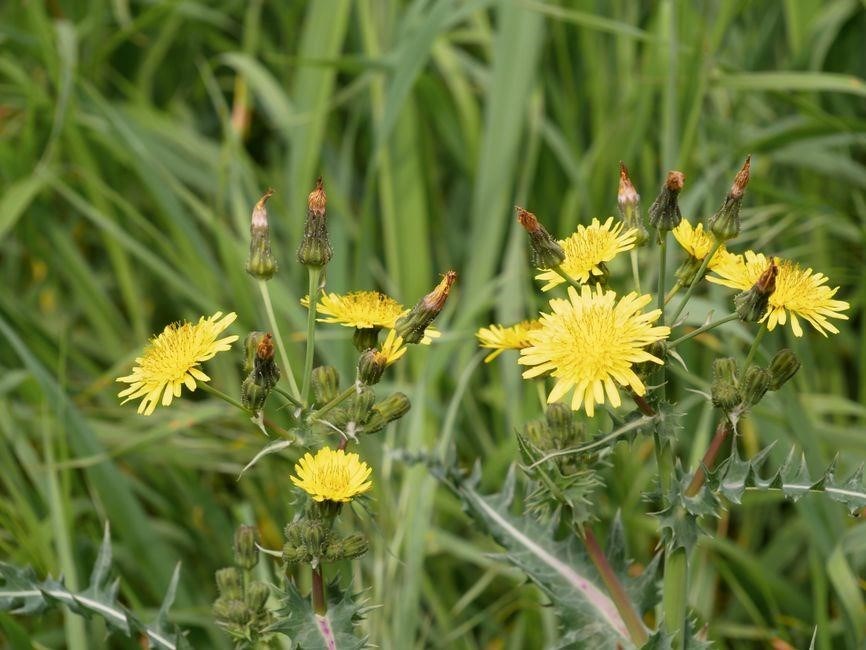
When mapping weed distribution, use a grid of equal squares and mark each square with the dominant weed type and density. This visual aid helps determine the most effective concentration for each zone. For high-density areas, a stronger solution may be required; low-density patches treated with a lighter dose. Soil type and moisture influence glyphosate uptake; sandy soils may leach the herbicide, while clay soils retain it longer. Adjust dilution accordingly. Test a small area first to observe response before full-scale application. This systematic approach ensures efficient use of Roundup and protects non-target plants.extra!!
Choosing the Right Concentration and Dilution Ratios
Choosing the correct dilution for Roundup is essential to balance weed control efficacy with safety and environmental stewardship. The product label typically recommends a 1:10 dilution for most broadleaf weeds, meaning one part concentrate to nine parts water. For tougher, perennial species or dense brush, a stronger 1:5 ratio may be necessary, but this increases the risk of drift and damage to desirable plants. Always consult the label for the maximum permissible concentration; many commercial formulations cap at a 1:3 ratio. When measuring, use a calibrated measuring cup or a spray bottle equipped with a built‑in gauge to ensure precision. Mix the solution thoroughly until it is uniform; any clumps or streaks can reduce contact with leaf surfaces and lower effectiveness. Temperature of the water is also critical: water between 50°F and 70°F (10°C–21°C) promotes absorption, whereas colder water can cause the herbicide to crystallize on leaves, diminishing its action. For lawns, a 1:20 dilution is typically adequate, while for roadside weeds or dense brush, a 1:10 or 1:5 ratio may be required. Always conduct a small patch test first to observe plant response. If weeds show no visible effect after 48 hours, consider increasing the concentration gradually, but never exceed the label’s maximum. Proper dilution not only maximizes weed kill but also protects surrounding vegetation and reduces environmental impact. Store the solution in a sealed container and use it within the recommended 24‑48 hour window after mixing to maintain potency. By carefully matching concentration to weed type, growth stage, and environmental conditions, you can achieve efficient, targeted control while minimizing collateral damage. Use distilled or dechlorinated water to avoid interference from minerals. The pH of the solution should be between 6.0 and 7.5; if the water is too acidic or alkaline, the glyphosate may bind to soil particles and lose effectiveness. When mixing, add the concentrate to water first, then stir, to prevent splashing. For large areas, use a backpack sprayer with a calibrated pump to maintain consistent flow. Monitor the solution for cloudiness; a cloudy appearance indicates improper mixing or contamination. If the solution turns cloudy, discard it and prepare a fresh batch. Finally, record the dilution ratio and date on a label attached to the container for future reference and compliance with local regulations.
Step-by-Step Application Guide
Prepare a clean sprayer, mix the recommended dilution, and test a small area. Apply evenly during calm, dry weather, covering all leaf surfaces. Avoid drift by using a shield. Allow 24‑48 h to assess effectiveness before re‑applying.
Check for drift!

Mixing the Solution Properly
Begin by selecting clean calibrated sprayer or mixing container. Measure the recommended amount of Roundup concentrate according to the label, 1 ounce per 1 gallon of water for a 2% solution. Use a clean bucket or mixing tank, ensuring it is free of residues from other chemicals. Add the concentrate to the container first, then pour in the water, allowing the solution to mix thoroughly. Stir slowly with a clean stir stick or use the sprayer’s built‑in agitator to prevent foaming. If using a handheld sprayer, fill the reservoir with the prepared mixture, ensuring the cap is securely closed to avoid leaks. Check the mixture’s clarity; it should be a uniform, slightly cloudy solution without visible clumps. Test the pH using a field pH meter or test strips; the optimal range for glyphosate uptake is between 5.0 and 6.0. Adjust with a small amount of mild acid or base if necessary. Finally, label the container with the date, concentration, and any safety warnings. Store the remaining solution in a cool, dark place, away from direct sunlight and out of reach of children and pets. Always follow local regulations regarding storage and disposal of unused herbicide
Verify nozzle size before spraying: a 1/4‑inch nozzle suits dense lawns, while 1/2‑inch works for larger patches. After mixing, let the solution sit 5 minutes, then swirl to ensure homogeneity. If cloudy, stir again. Keep a sample bottle for future reference or concentration adjustments. Store the sample in a labeled container to track usage time!!

Optimal Timing and Weather Conditions
For maximum efficacy, apply Roundup during periods of active growth, typically in late spring or early fall when weeds are actively photosynthesizing. Avoid application during dormancy or when the target species are stressed by heat or cold. The herbicide penetrates leaf cuticles more efficiently when stomata are open, which occurs after a light rain or during early morning dew. Ideal temperatures range from 60°F to 80°F (15°C to 27°C); temperatures above 90°F (32°C) can cause rapid evaporation, reducing contact time, while below 50°F (10°C) slows metabolic uptake. Windless conditions are crucial to prevent drift; a wind speed below 5 mph (8 km/h) is recommended. Humidity levels above 60% enhance absorption, whereas low humidity can dry the spray prematurely. Timing also depends on the specific weed species: broadleaf weeds respond best to a 2–4 hour window after application, while grasses may require a slightly longer contact period. If the forecast predicts rain within 24 hours, delay application to avoid wash‑off. Conversely, if rain is expected within 48 hours, a pre‑rain application can be effective, but ensure the solution has had sufficient contact time before the precipitation. Always read the product label for any region‑specific weather restrictions and adhere to local environmental regulations. By aligning application with optimal climatic conditions, you maximize glyphosate uptake, reduce drift risk, and achieve a cleaner, more sustainable weed control outcome. Apply when conditions are ideal sun
Application Techniques for Different Surfaces
When applying Roundup, surface type dictates spray method. For smooth, non‑porous surfaces such as concrete, driveways, and sidewalks, use a flat‑nozzle sprayer for even coverage. Aim for a 2–3 L/m² rate, adjusting for wind. Porous surfaces like brick or pavers require a low‑pressure, fine‑mist sprayer to reduce runoff. Pre‑clean to remove dust; otherwise, the herbicide may bead and fail to adhere quickly.
On vegetated lawns or garden beds, a backpack or handheld sprayer with a 1.5‑inch nozzle gives uniform distribution. Apply morning or late afternoon to avoid evaporation. For hard‑to‑reach areas such as walls, fences, or rooflines, use a pole‑mounted sprayer or a backpack with a telescoping pole. Keep the nozzle at a 45° angle to prevent drift and ensure contact.
Treating mulch or compost, use a low‑pressure sprayer to avoid disturbing material. When integrating into irrigation, apply through drip lines or sprinklers so the solution reaches leaf surfaces. Always test a small area first to confirm spray pattern and coverage.
After application, monitor for missed spots. Re‑apply only if necessary, following the label’s re‑application interval. Proper technique reduces waste, limits environmental impact, and maximizes weed control!
Post-Application Care and Troubleshooting
After applying Roundup, monitor the treated area for signs of effectiveness and potential issues. Within 24 to 48 hours, healthy plants should show yellowing or wilting, while resistant species may remain green. If weeds persist, verify that the concentration was correct and that the spray covered all foliage. Re‑apply only after the label’s recommended interval, typically 7 to 10 days, to avoid over‑exposure.
Check for drift damage on neighboring plants; if non‑target species show symptoms, dilute the solution further or use a more selective product. Soil pH and moisture influence glyphosate uptake; dry soils may reduce absorption, so mist the area lightly before application. Avoid heavy rain within 24 hours to prevent runoff and loss of efficacy.
Inspect for residue on surfaces; if the product has left a film, rinse with water after 24 hours. For hard‑to‑clean surfaces, a mild detergent may help remove buildup. Monitor for delayed phytotoxicity; some plants may show symptoms several days after treatment, so keep records of application dates and observed effects.
When troubleshooting, consider environmental factors: wind speed, temperature, and humidity. High wind can cause drift, while low temperatures may slow chemical activity. If the herbicide fails repeatedly, test for glyphosate resistance by applying a higher concentration or a different mode‑of‑action product. Maintain proper storage of unused product in a cool, dry place, sealed tightly to preserve potency.
Consistent monitoring ensures lasting weed control healthy landscape!