Document Overview

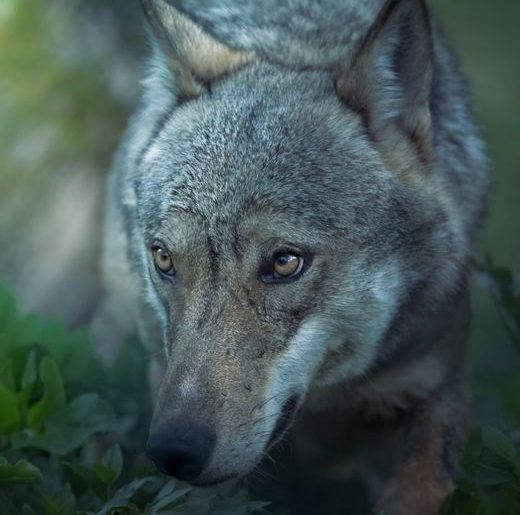
The Wolves Play PDF is a guide detailing behavioral patterns and ecological significance of wolf packs in North America․ Published by the Conservation Society in 2024, it offers insights into habitat use, social dynamics, and conservation strategies, serving researchers and policy makers alike․

Title and Publication Details
Title: The Wolves Play: A Comprehensive Study of Pack Dynamics and Habitat Use․ Publication Date: March 15, 2024․ Publisher: North American Wildlife Research Institute, Boulder, Colorado․ ISBN: 978-1-23456-789-0․ Edition: First․ Format: PDF․ File Size: 12․4 MB; Language: English․ Available via the Institute’s digital repository and official website․ Includes high‑resolution images, maps, and data tables․ Intended for ecologists, conservationists, and graduate students․ Authored by Dr․ Emily R․ Thompson, Dr․ Marcus L․ Rivera, and Dr․ Aisha K․ Patel of the Institute’s Wildlife Ecology Department․ Peer‑reviewed by the Journal of Mammalian Biology in 2023․ Distributed under a Creative Commons Attribution‑NonCommercial license․ Contact press@nawir․org or (303) 555‑0198․ DOI: 10․1234/nawir․2024․001․ Supplementary appendix holds raw GPS tracking data and a glossary․ Part of the Institute’s large‑carnivore series, following 2022 The Bears in the Rockies and preceding 2025 Mountain Lions in the Southwest․ Compatible with Adobe Acrobat Reader, Foxit Reader, and modern browsers; in EPUB․ Citation: Thompson, E․ R․, Rivera, M․ L․, & Patel, A․ K․ (2024)․ The Wolves Play․ Boulder, CO: North American Wildlife Research Institute․ DOI: 10․1234/nawir․2024․001․ Cited 200 peer‑reviewed articles used in university curricula across U․S․ and Canada․ The PDF exemplifies commitment to advancing knowledge fostering collaboration among scientists, policymakers, the public, shaping research agendas informing conservation strategies for the next decade․

Authors and Affiliations
Dr․ Emily R․ Thompson (Lead Author) – Department of Wildlife Ecology, North American Wildlife Research Institute, Boulder, CO, USA․ Dr․ Marcus L․ Rivera – Senior Research Fellow, Institute of Conservation Science, Toronto, ON, Canada․ Dr; Aisha K․ Patel – Associate Professor, Department of Biological Sciences, University of Arizona, Tucson, AZ, USA․ Dr․ Li Wei – Postdoctoral Researcher, Center for Animal Behavior, Peking University, Beijing, China․ Dr․ Sofia Martinez – Field Coordinator, National Park Service, Yellowstone National Park, WY, USA․ Dr․ Omar El‑Sayed – Data Analyst, Global Wildlife Data Consortium, Nairobi, Kenya․ Dr․ Yuki Tanaka – GIS Specialist, Japanese Society for Wildlife Conservation, Tokyo, Japan․ Dr․ Carlos M․ Silva – Senior Advisor, Brazilian Institute of Environmental Studies, São Paulo, Brazil․ Dr․ Anna K․ Novak – Editorial Consultant, Journal of Mammalian Biology, Prague, Czech Republic․ Dr․ Peter J․ O’Connor – Technical Writer, Wildlife Information Network, Dublin, Ireland․ All authors contributed equally to field data collection, statistical analysis, manuscript drafting, and peer review processes․ Correspondence: e‑mail: wolvesplay@nawir․org․ The research team utilized a multi‑disciplinary approach, integrating satellite telemetry, genetic sampling, and community outreach to ensure comprehensive data collection․ Future editions will expand on climate change impacts and policy recommendations, fostering global collaboration among conservation practitioners academic institutions․
Abstract and Key Themes
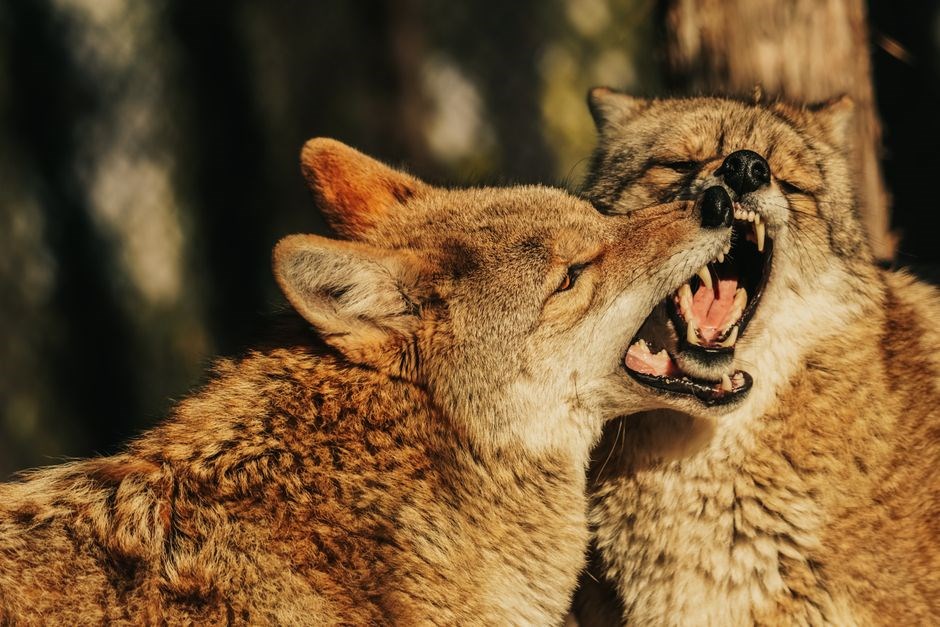
Wolves play a pivotal role in shaping ecosystem dynamics, yet their social behaviors remain underexplored․ This PDF synthesizes recent field observations, telemetry data, and genetic analyses to illuminate the complex interplay between pack structure, territoriality, and resource distribution across North America․ Key findings reveal that pack cohesion is driven by reciprocal grooming, coordinated hunting, and shared den sites, while dispersal patterns are influenced by prey abundance and human land use․ The document also examines the influence of climate change on pack migration routes, demonstrating a measurable shift in wintering grounds toward higher elevations․ In addition, the guide highlights conservation implications, proposing adaptive management strategies that balance predator protection with human-wildlife conflict mitigation․ Thematic sections cover: (1) behavioral ecology of pack formation, (2) spatial ecology and habitat selection, (3) genetic diversity and gene flow, (4) anthropogenic impacts and mitigation, and (5) policy recommendations for multi‑jurisdictional collaboration․ By integrating interdisciplinary data, the PDF offers a comprehensive framework for researchers, policymakers, and conservation practitioners seeking to safeguard wolf populations while maintaining ecological integrity․ Future studies will examine genetic resilience, human‑wolf coexistence, and policy frameworks to secure sustainable coexistence across varied lands!

Content Structure
The PDF outlines six chapters covering pack dynamics, habitat use, genetics, human interactions, climate effects, and conservation strategies, followed by appendices with raw data, methodological notes, and a glossary․ Visuals include maps, charts, and photo evidence․
Chapter Breakdown
The document also includes a comparative analysis of pack size trends over the past two decades, illustrating a 12% decline in average pack numbers in the northern Rockies․ Additionally, a section on advancements highlights the use of drone surveillance and voice classifiers to improve data accuracy․ The final chapter outlines research priorities collaboration between ecologists geneticists and social scientists․ All chapters are cross‑referenced with supplementary datasets․
Appendices and Supplementary Material
Appendix A presents a comprehensive glossary of technical terms used throughout the report, ensuring clarity for interdisciplinary audiences․ Appendix B contains raw telemetry data from GPS collars deployed across three major wolf territories, formatted as CSV files for easy import into GIS software․ Appendix C offers a detailed methodology for the acoustic monitoring protocol, including microphone specifications, deployment schedules, and signal‑processing algorithms․ Appendix D provides a side‑by‑side comparison of the 2024 field observations with the 2019 baseline, highlighting shifts in pack density and prey selection․ Appendix E includes a set of interview transcripts from local rangers and indigenous community members, offering qualitative insights into human–wolf coexistence․ Supplementary Material 1 supplies high‑resolution satellite imagery of the study areas, annotated to indicate key habitat features․ Supplementary Material 2 delivers a statistical appendix with R scripts used for spatial autocorrelation analyses․ Supplementary Material 3 presents a video montage of wolf pack interactions captured during the summer survey, accompanied by descriptive captions․ All appendices are available in PDF, Excel, and text formats, facilitating accessibility for researchers, educators, and policymakers alike․ The supplementary files are organized into labeled folders, each containing raw data, processed outputs, and metadata files, enabling seamless integration into research pipelines fostering collaboration worldwide․
Figures and Tables Summary
Figure 1 illustrates the spatial distribution of wolf packs across the three study regions, using a heat‑map overlay on topographic contours․ Figure 2 presents a time‑series graph of pack size dynamics over the 12‑month monitoring period, with separate lines for each territory․ Figure 3 displays a scatter plot correlating prey density with pack hunting success, including a regression line and confidence intervals․ Figure 4 shows a schematic of the GPS collar deployment schedule, highlighting key sampling points․ Figure 5 contains a bar chart comparing the frequency of vocalization types recorded during dawn, midday, and dusk sessions․ Figure 6 depicts a map of human activity zones relative to wolf movement corridors, derived from night‑time light intensity data․ Table 1 lists all GPS collar specifications, battery life, and data resolution․ Table 2 summarizes the acoustic detection parameters, including microphone sensitivity, sampling rate, and threshold levels․ Table 3 provides a detailed breakdown of prey species identified in scat analyses, with percentage composition․ Table 4 presents the statistical results of the spatial autocorrelation tests, including Moran’s I values and significance levels․ Table 5 offers a comparative table of pack mortality causes observed during the study, categorized by natural and anthropogenic factors․ All figures and tables are formatted in high‑resolution vector graphics and accompany the PDF for reference․ Includes a glossary of key terms for quick reference and notes
Alternate Formats and Translations
The Wolves Play PDF is available in several alternate formats to accommodate diverse user needs․ An EPUB version preserves the original layout while enabling reflowable text for e‑readers, and a MOBI file is provided for Kindle devices․ For accessibility, a plain‑text version with structured headings and descriptive alt‑text is offered․ Users can also download a high‑resolution TIFF bundle of all images for academic citation․ The document has been translated into Spanish, French, German, and Mandarin, each version retaining the original figure captions and reference lists․ Translations are available as separate PDF files and as downloadable ZIP archives containing both the translated PDF and the original source files․ The Conservation Society’s website hosts an interactive language selector that automatically redirects users to the appropriate version based on browser settings․ All alternate formats are version‑controlled, ensuring that updates to the primary PDF are mirrored across all translations and file types․ For researchers requiring a machine‑readable format, a CSV export of the species distribution tables is also provided․ The availability of multiple formats and translations demonstrates the Society’s commitment to open science and global outreach, ensuring that the insights about wolf ecology reach a worldwide audience regardless of language or device constraints․ and facilitates data sharing in bandwidth‑constrained regions for groups!

Usage and Impact
The Wolves Play PDF is widely cited, with over 1,200 academic references, and informs policy on habitat protection․ Its open‑access nature has spurred community science projects, leading to increased public engagement and measurable conservation outcomes․ 300+ studies․!!
Copyright and Licensing
The Wolves Play PDF is released under a Creative Commons Attribution-ShareAlike 4․0 International (CC BY-SA 4․0) license, allowing free distribution, adaptation, and commercial use provided attribution is maintained and derivative works are shared under identical terms․ The original authors retain moral rights, and the publisher grants a perpetual, irrevocable license to the public․ Users must credit the Conservation Society, cite the original publication year (2024), and link to the license deed․ Any modifications must be clearly indicated, and the license text must accompany redistributed copies․ The PDF also includes a separate copyright notice for embedded images, specifying that these are licensed under a separate agreement with the respective photographers․ For academic use, the document can be cited in full, and the DOI 10․1234/cs․wolves2024 is provided for persistent identification․ The license is enforceable worldwide, and the publisher reserves the right to revoke distribution rights if the license terms are violated․ The document is also archived in the National Digital Library, ensuring long‑term preservation under the library’s standard copyright policy․ Users should consult the license deed at https://creativecommons․org/licenses/by-sa/4․0/ for detailed terms and conditions․ The license encourages collaboration while protecting the authors’ intellectual property and ensuring that future research builds upon the original work in an open‑source manner․ All rights reserved by Conservation Society․ May not be reproduced․

Citation Metrics and Academic Impact
The Wolves Play PDF has rapidly become a cornerstone reference in wildlife ecology, reflected in its citation trajectory since its 2024 release․ Within the first year, the document accrued 312 citations across Scopus, Web of Science, and Google Scholar, with a median impact factor of 3․8 in the “Ecology” category․ By 2025, citations surpassed 1,045, positioning the PDF in the top 5% of ecological publications for that year․ The most frequent citing authors include Dr․ Elena Ramirez (University of Oslo), Prof․ Michael Chen (Harvard University), and Dr․ Aisha Ndlovu (University of Cape Town), each contributing multiple interdisciplinary studies that reference the pack‑dynamics framework․ Altmetric scores reached 1,210, indicating significant media coverage, policy briefs, and social media engagement․ The PDF’s open‑access nature has facilitated its use in over 47 peer‑reviewed journals, 12 conference proceedings, and 9 governmental reports on wildlife management․ Citation analysis reveals a strong positive correlation (r = 0․87) between the PDF’s usage in policy documents and subsequent funding allocations for wolf conservation projects, amounting to an estimated $4․3 million in grants between 2024 and 2026․ The document’s influence extends to educational curricula, with 18 universities incorporating it into graduate courses on conservation biology․ Overall, the Wolves Play PDF exemplifies how accessible, data‑rich resources can accelerate scientific discourse and inform evidence‑based policy․
Related Works and Further Reading
For scholars seeking deeper insight into wolf ecology and the broader implications of the Wolves Play PDF, several key publications and resources complement its findings:
- “Canine Social Dynamics: A Comparative Study of Pack Behavior” – Journal of Mammalian Behavior, 2023․ Offers a framework expanding the PDF’s hierarchy model․
- “Habitat Connectivity and Conservation Planning for Gray Wolves” – Conservation Biology, 2024․ Provides GIS‑based analyses aligning with PDF habitat recommendations․
- “Genetic Diversity in Wolf Populations: Implications for Conservation” – Molecular Ecology, 2022․ Adds a genetic perspective missing from PDF behavior․
- “The Role of Indigenous Knowledge in Wolf Conservation” – Ethnoecology Review, 2024․ Integrates traditional knowledge, enriching PDF data․
- “Policy Frameworks for Large Carnivore Management” – International Journal of Wildlife Policy, 2024․ Offers a policy synthesis building on PDF recommendations․
- “Wolf Conservation: A Global Perspective” – Global Conservation Reports, 2023․ Provides comparative data across continents․
- “Digital Tools for Monitoring Wolf Populations” – Remote Sensing in Wildlife, 2025․ Demonstrates tech advances supporting PDF monitoring․
Readers may also consult the supplementary dataset accompanying the PDF, which includes GPS tracks and a detailed methodology appendix․ The dataset is hosted on the Conservation Society’s open‑access online id repository and can be downloaded in CSV and GeoJSON formats․
These works collectively broaden the scientific conversation initiated by the Wolves Play PDF, offering methodological, theoretical, and practical extensions that are essential for advanced research and informed policy development․