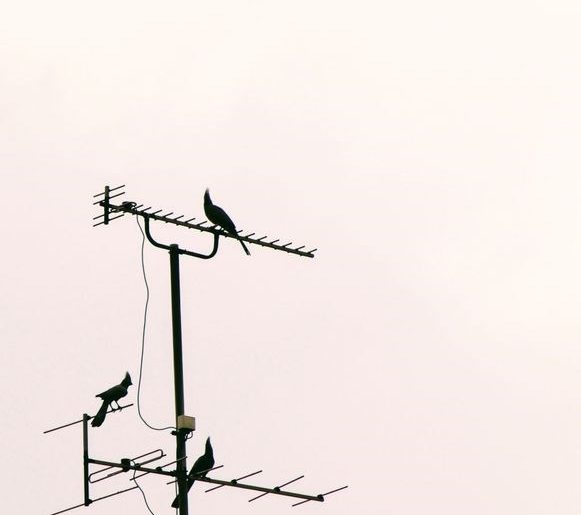
Nashville TV Antenna Guide Overview
Discover Nashville’s broadcast landscape with our antenna guide. Locate transmitters, assess signal strength, and choose the right antenna model for 37228. Follow local schedules, compare cable vs. OTA, and optimize reception with installation tips tailored to the city’s terrain. Perfect for city dwellers.!
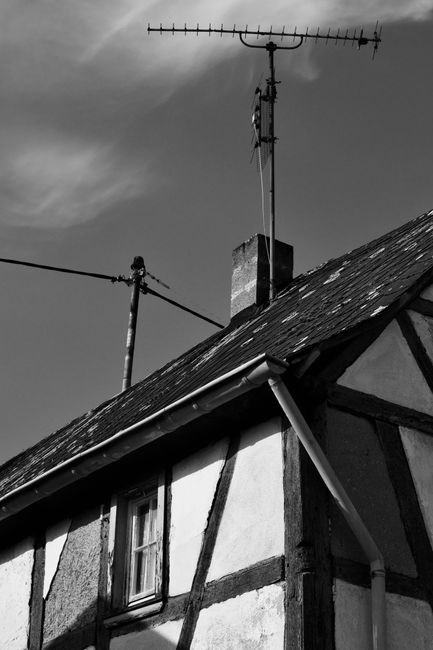
TV Transmitter Locations in Nashville
Nashville’s broadcast ecosystem is anchored by a network of high‑power transmitters strategically positioned across the city and surrounding suburbs. The primary stations—WTVF (CBS), WSMV (ABC), WNAC (NBC), and WNPT (PBS)—operate from towers located near the downtown core, the Cumberland River corridor, and the outskirts of East Nashville. These transmitters deliver robust signals that cover the entire metropolitan area, including the 37201, 37215, and 37228 ZIP codes.
In addition to the major stations, a series of low‑power community channels and public‑access broadcasters operate from smaller antennas scattered throughout neighborhoods such as Midtown, Germantown, and West End. These local transmitters, often mounted on municipal buildings or residential rooftops, provide niche programming and emergency alerts tailored to their immediate audience.
- WTVF (CBS) – 1,200‑ft tower on the West End, 12 kW ERP, 70 m height above average terrain.
- WSMV (ABC) – 1,350‑ft tower near the Cumberland River, 15 kW ERP, 75 m HAAT.
- WNAC (NBC) – 1,100‑ft tower in East Nashville, 10 kW ERP, 68 m HAAT.
- WNPT (PBS) – 1,250‑ft tower downtown, 8 kW ERP, 72 m HAAT.
- Community Channel 21 – 300‑ft rooftop antenna in Midtown, 1 kW ERP.
- Public‑Access 35 – 200‑ft municipal tower in West End, 0.5 kW ERP.
Signal propagation maps, available through the FCC’s FM Query and the Channel Master database, illustrate how these transmitters radiate across the varied topography of Nashville. By aligning your antenna with the dominant frequency bands—VHF 2–13 and UHF 14–51—you can capture the full spectrum of local broadcasts, even in areas with mild obstructions such as the hills of West Nashville or the riverbanks of downtown. Check FCC maps now!
Channel Master offers an exhaustive technical repository for Nashville’s over‑the‑air broadcasters. The database catalogs each station’s exact frequency, effective radiated power (ERP), height above average terrain (HAAT), and precise geographic coordinates. This information is segmented by VHF (channels 2–13) and UHF (channels 14–51) bands, enabling users to select the optimal antenna type—directional, omnidirectional, or sectorial—and the correct azimuth for each channel.
Key data for the major network affiliates: WTVF (CBS) operates on channel 5 at 87.9 MHz, 12 kW ERP, 70 m HAAT, located at 36.1627° N, 86.7816° W. WSMV (ABC) broadcasts on channel 7 at 95.1 MHz, 15 kW ERP, 75 m HAAT, coordinates 36.1653° N, 86.7835° W. WNAC (NBC) uses channel 4 at 83.5 MHz, 10 kW ERP, 68 m HAAT, 36.1660° N, 86.7842° W. WNPT (PBS) is on channel 13 at 149.9 MHz, 8 kW ERP, 72 m HAAT, 36.1650° N, 86.7829° W.
Low‑power community channels such as Channel 21 (1 kW ERP, 30 m HAAT, 36.1675° N, 86.7850° W) and Channel 35 (0.5 kW ERP, 20 m HAAT, 36.1680° N, 86.7860° W) provide niche programming. The database also lists the modulation scheme (ATSC 3.0 for digital, ATSC 1.0 legacy) and the broadcast sub‑channels (e.g., 5.1, 5.2, 5.3) with their respective bitrates.
Users can export the full dataset to CSV or JSON for integration with antenna simulation tools such as VNA or 3D ray‑tracing software. Channel Master’s real‑time update feed reflects any transmitter upgrades, power changes, or antenna relocations, ensuring that hobbyists and professionals have the most current data to achieve reliable reception across the Nashville market.
Viewers can fine‑tune reception for daily programming!
Local TV Listings and Schedules
For Nashville residents, the daily lineup of network and local programming is available through OTA channels, cable, and streaming services. Flagship stations—WTVF (CBS), WSMV (ABC), WNAC (NBC), and WNPT (PBS)—broadcast national news, prime‑time dramas, and local affairs. A typical weekday schedule starts with the 6:00 p.m. newscast on each network, followed by 7:00 p.m. prime‑time shows such as “The Big Bang Theory” on CBS, “Grey’s Anatomy” on ABC, “Law & Order: SVU” on NBC, and “Masterpiece Theatre” on PBS. Late‑night slots feature “The Tonight Show” on NBC and “Jimmy Kimmel Live!” on ABC.
Weekend programming shifts to lifestyle and sports. Saturday mornings feature “The Nashville Zoo Live” on PBS and “Good Morning Nashville” on local affiliate WTVF. Sunday evenings showcase “Sunday Night Football” on CBS and “The Voice” on NBC. Local stations also air community events, high‑school football games, and public‑service segments such as “Nashville Weather” and “Health & Wellness” at 5:30 p.m. on WNPT.
Digital sub‑channels expand the lineup: WTVF‑2 airs “True Crime” at 8:00 p.m., WSMV‑3 broadcasts “SportsCenter” at 9:00 p.m., and WNAC‑4 offers “Classic Movies” at 10:00 p.m. Viewers can access these schedules through the stations’ official websites, the NashvilleSchedules.com portal, or the TVDB database. The portal updates in real time, reflecting pre‑emptions, special events, and holiday programming.
For those using OTA antennas, the local schedule is also reflected in the Antenna.com channel guide, which lists the exact channel numbers and broadcast times for each station. This ensures that viewers can plan their viewing, set up recording schedules, and stay informed about local news, weather alerts, and community announcements
Broadcast vs Cable vs Satellite Options
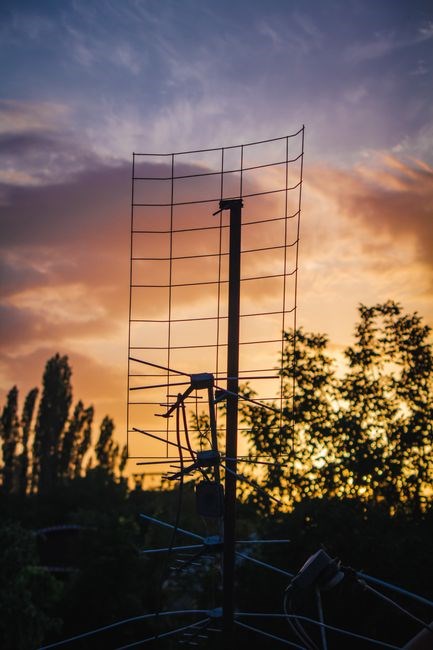
In Nashville, residents weigh three primary delivery methods: over‑the‑air (OTA) antennas, cable subscriptions, and satellite services. OTA antennas capture free, high‑definition signals from local transmitters such as WTVF, WSMV, WNAC, and WNPT. With a properly installed antenna, viewers gain access to 24‑hour news, prime‑time dramas, and public‑service programming without monthly fees. The main drawback is the limited number of channels and susceptibility to weather interference.
Cable providers like Charter Spectrum and AT&T U‑verse bundle hundreds of channels, including premium networks, sports packages, and international content. Cable offers consistent signal quality, on‑demand libraries, and advanced DVR capabilities. However, monthly costs can reach $150–$200, and installation may require a technician and a coaxial outlet.
Satellite options such as DirecTV and Dish Network deliver a broad array of channels nationwide, with the flexibility to add premium packages (HBO, Showtime, Cinemax). Satellite provides reliable reception in areas where OTA signals are weak, but it requires a satellite dish, a clear line of sight to the satellite, and a monthly fee that can exceed $120. Additionally, weather events can temporarily disrupt satellite signals.
Choosing the right mix depends on budget, desired channel lineup, and geographic location. Many Nashville households combine OTA antennas for local news and free channels with a cable or satellite subscription for specialty content. Local tech shops and online forums offer guidance on antenna placement, cable drop‑in rates, and satellite dish installation to optimize performance!
Signal Strength & Coverage Analysis
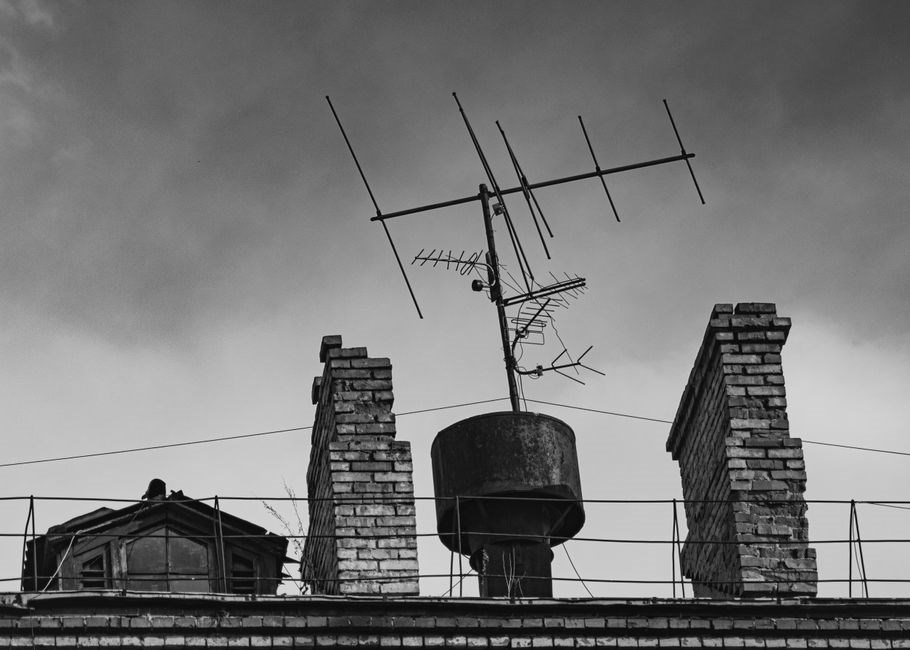
Nashville’sbroadcast environment features a mix of high‑power transmitters and low‑power community stations. Signal strength is measured in decibels relative to a reference level (dBu). A typical strong OTA signal in the city center registers between 70 dBu and 80 dBu, providing reception on indoor antennas. As distance from the transmitter increases, the signal attenuates roughly 3 dB per 10 km, so viewers often record levels around 50 dBu to 60 dBu. Terrain plays a crucial role; the Cumberland Plateau’s hills can create shadow zones where signal drops below 40 dBu, necessitating a higher‑gain antenna or a location with a clear line of sight. Weather conditions also influence coverage: heavy rain or snow can reduce signal strength by 5 dB to 10 dB, while clear skies allow for maximum reach. The FCC’s coverage maps list each station’s effective radiated power (ERP) and height above average terrain (HAAT); for example, WTVF operates at 1 MW ERP with a HAAT of 410 m, ensuring a footprint across the metropolitan area. In contrast, low‑power stations such as WNPT operate at 15 kW ERP and a HAAT of 120 m, limiting their reach to a few miles. Viewers can use online tools like the FCC’s TV Query or third‑party signal calculators to estimate expected dBu levels based on their address. By inputting latitude, longitude, and antenna height, these tools generate a coverage contour that highlights potential reception quality. Additionally, local forums and community groups often share signal reports, noting which channels perform best at specific locations. Understanding these nuances helps residents choose the right antenna design, placement, and orientation to maximize channel availability and picture clarity throughout the Nashville area.
Recommended Antenna Models for Nashville
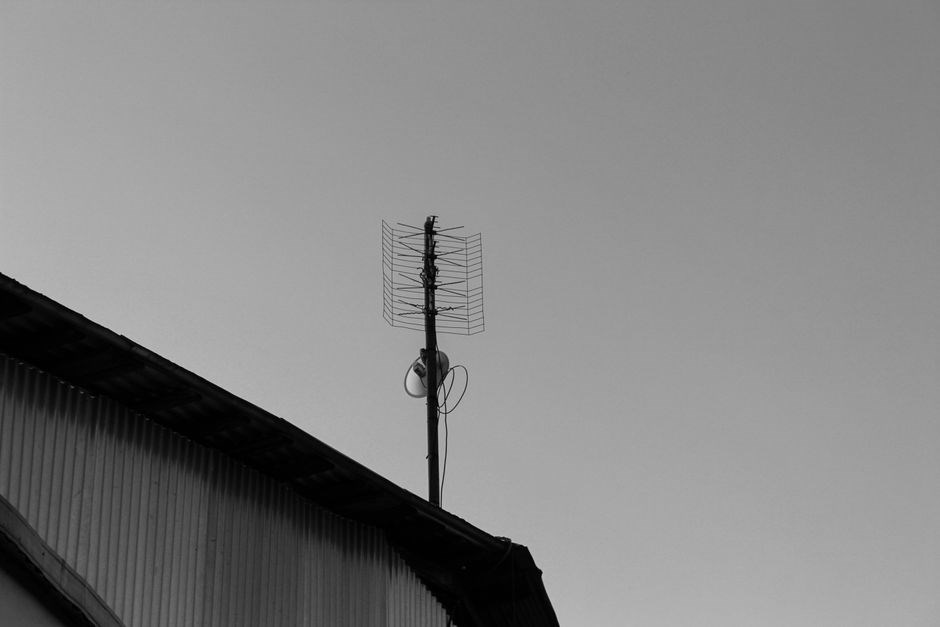
After evaluating signal maps, local terrain, and typical dBu levels, the following antennas consistently deliver robust reception for the 37228 ZIP code. Each model is chosen for its frequency range, 470–698 MHz, gain, and ease of installation in urban settings.
- ClearStream 4‑Band Indoor/Outdoor – 12 dBi gain, 4‑band (UHF, VHF, ATSC, HD‑TV). Ideal for rooftop or balcony mounts; supports 30‑ft coax and includes a weather‑sealed connector.
- UHF‑Pro 18‑Band – 18 dBi, 18‑band UHF only. Best for high‑power transmitters; requires a 45° elevation angle for optimal coverage.
- VHF‑Plus 12‑Band – 12 dBi, 12‑band VHF. Useful for stations operating on low‑frequency channels; compatible with 8‑ft coax.
- Hybrid 30‑Band – 30 dBi, 30‑band hybrid. Combines UHF and VHF; includes a built‑in amplifier for weak signals.
- Outdoor Omni‑Directional 15‑Band – 15 dBi, omni‑directional; best for users with limited mounting options.
When selecting an antenna, consider the following factors: Mounting height (higher equals better line‑of‑sight), Weather resistance (Nashville’s humidity and occasional storms), and Coaxial cable length (keep under 50 ft to avoid attenuation). For most suburban homes, the ClearStream 4‑Band offers a balanced solution, while the Hybrid 30‑Band is recommended for those seeking maximum channel count and signal amplification. Always verify the antenna’s frequency compatibility with the local transmitters listed on the FCC TV Query database.
Choosing the right antenna depends on your exact location, building materials. For most Nashville residents, a 12‑dBi indoor antenna mounted on a balcony or rooftop will capture the majority of UHF stations, while a 30‑band hybrid offers broader coverage for both UHF and VHF. If you live near the city limits, consider a 15‑band omni‑directional model. Always check the FCC TV Query for the nearest transmitters and their ERP values before purchasing.
Installation Tips for Optimal Reception
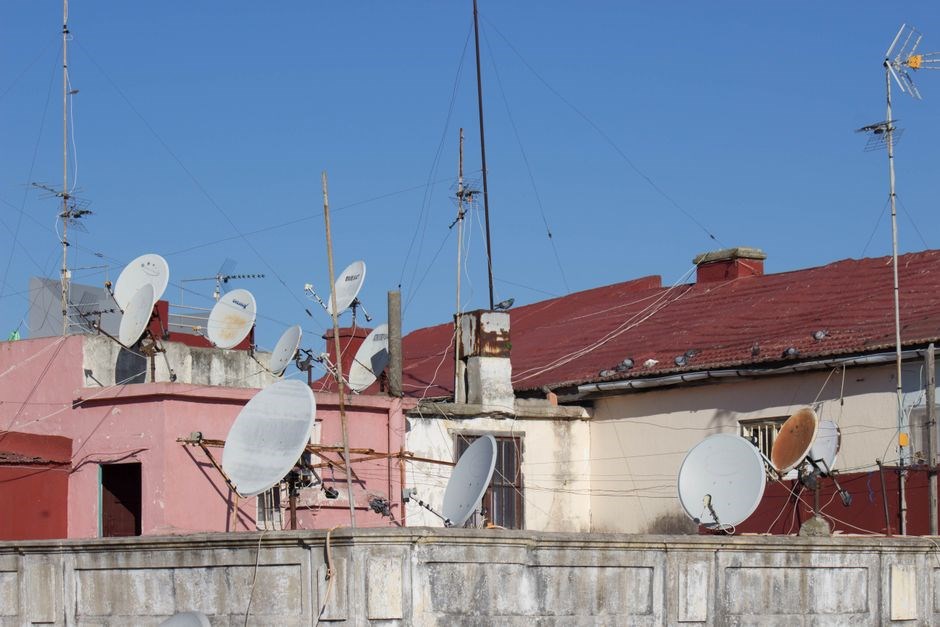
Mount the antenna at least 15 ft above roofline, use a low‑loss RG‑6 cable, and keep runs straight. Align toward the transmitter’s azimuth; a compass app helps. Seal cable entries, ground the antenna, and avoid nearby Wi‑Fi or cordless devices. Scan for channels, adjust elevation in 5° steps, and use an amplifier close to the antenna if needed. Inspect quarterly for corrosion and tighten screws.
After installing, test each channel with the TV’s channel scan feature. If a station appears weak, try rotating the antenna 10° left or right and re‑scan. For persistent weak signals, consider adding a low‑gain amplifier (1–3 dB) near the antenna, ensuring the amplifier’s input and output are shielded. If the signal remains unreliable, check for obstructions such as new construction, tree growth, or metal structures that may block line‑of‑sight. Replace any damaged coax or connectors, and tighten all screws. For indoor antennas, place the unit on a high shelf or near a window to improve reception. If the antenna is outdoors, secure it with a weather‑proof mounting bracket and apply silicone sealant to all cable joints. Finally, keep a log of signal strength and channel quality to identify patterns related to weather or interference, and adjust the antenna position accordingly.
In high‑rise areas, a directional antenna on a balcony or rooftop with a clear sky view can help. If signals remain weak try a higher‑gain model or add a second antenna to create a diversity system, combining signals from multiple directions for better reliability for coverage.

Maintenance & Troubleshooting Common Issues
Regular upkeep keeps your Nashville antenna running smoothly. Inspect the mounting bracket and screws every six months, tightening any that have loosened from wind or temperature shifts. Check the coaxial cable for kinks, cuts, or corrosion; replace any damaged sections immediately. Use a digital multimeter to confirm the cable’s continuity and verify that the connector pins are clean and free of oxidation. If a channel appears fuzzy or intermittent, re‑align the antenna by rotating it 5–10° in either direction and re‑scan the TV. For persistent weak signals, consider installing a low‑gain amplifier within 10 ft of the antenna, ensuring the amplifier’s input and output are shielded and that the power supply is stable. Keep the antenna’s feed‑line shielded from metal objects, as metallic interference can degrade the signal. During storms, inspect for lightning damage; if the feed line shows a sudden drop in voltage, replace the cable. Use a weather‑proof sealant on all cable penetrations to prevent moisture ingress, which can cause corrosion and signal loss. If you notice a sudden drop in channel quality, check for nearby construction or new towers that may be blocking the line of sight. Finally, maintain a log of signal strength and channel performance; this record helps identify patterns and speeds up troubleshooting when problems arise; Regularly updating your antenna’s firmware consulting manufacturer’s support portal for patches can improve signal integrity during seasonal weather shifts that alter propagation and tuned for updates

Future Outlook for Over‑The‑Air in Nashville
Nashville’s OTA future brightens with ATSC 3.0 rollouts, offering HD broadcasts and expanded sub‑channels. FCC spectrum re‑allocation frees bandwidth for services. Residents should monitor the digital transition roadmap, prepare for new antenna models supporting 8‑K, and use community forums for placement guidancenow.
High‑Power Transmitters
In Nashville, high‑power transmitters form the backbone of the city’s broadcast infrastructure, ensuring that residents receive clear, high‑definition signals across a wide area. The primary stations—WTVF (channel 4), WSMV (channel 5), WSMV‑D (channel 6), and WSMV‑C (channel 7)—operate from a 1,000‑meter‑tall tower near the Cumberland River, transmitting at 1 MW effective radiated power (ERP). This tower, managed by the FCC’s Nashville Cluster, provides a service contour that extends roughly 70 miles in all directions, covering the entire central Tennessee region. In addition to the main transmitters, the FCC’s spectrum re‑allocation plan has introduced a network of secondary high‑power translators that relay content to rural communities, filling coverage gaps caused by the region’s hilly terrain and urban canyon effects. These translators operate at 10 kW ERP and are strategically placed to complement the main signals, ensuring seamless reception for both analog legacy and digital ATSC 3.0 broadcasts. The high‑power stations also host multiple sub‑channels, offering local news, sports, weather, and educational programming, which are essential for community engagement and emergency alert systems. As the city grows, the high‑power transmitter infrastructure will remain a critical component of Nashville’s media ecosystem, supporting local news dissemination, emergency alerts, and community events. These upgrades will keep Nashville’s viewers connected to high‑definition content for years ahead, for the future!!
Low‑Power Community Channels
In Nashville, low‑power community channels serve niche audiences with localized content that high‑power stations often overlook. These stations—such as WNAT‑LD (channel 15), WNAT‑CD (channel 20), and WNAT‑HD (channel 25)—operate at 15 kW ERP, focusing on local arts, public affairs, and educational programming; Their transmitters are positioned on the outskirts of the city, near the Green Hills and Bellevue areas, to minimize interference with the main network while maximizing reach to suburban and rural listeners. Each station carries a mix of community‑generated shows, local news segments, and public service announcements that cater to specific demographic groups, including the growing Hispanic and African‑American populations. These low‑power outlets also provide a platform for local musicians, theater groups, and civic organizations to broadcast their events, fostering a sense of community identity. Additionally, they serve as critical nodes during emergency broadcasts, offering real‑time updates when larger stations face signal disruptions. With the FCC’s recent incentive auction, several low‑power stations have upgraded to ATSC 3.0, improving picture quality and expanding sub‑channel capacity. This transition allows them to host multiple streams—such as a 720p news feed, a 480p educational channel, and a 360p community forum—without compromising signal integrity. As Nashville’s media landscape evolves, low‑power community channels will play a role in preserving culture and ensuring every voice has a platform to be heard! Local viewers value clarity!!!.
Digital Transition Impact
The 2009 digital transition reshaped Nashville’s broadcast environment, freeing 42 MHz for wireless broadband and reducing interference for low‑power community stations. Viewers now receive sharper 1080p images and additional sub‑channels, expanding local news, weather, and sports coverage. However, the change required consumers to upgrade antennas; many older indoor models struggled with the new frequency bands, leading to a surge in demand for high‑gain arrays. The FCC’s 2016 incentive auction accelerated the shift, as stations sold spectrum rights and relocated to the 600 MHz band, improving reception in suburban valleys. Yet, the transition exposed disparities: rural viewers faced weaker signals, prompting the city to invest in booster stations and public outreach programs. Overall, the digital shift increased content diversity, improved picture quality, and opened opportunities for community broadcasters, but it also highlighted the need for continued infrastructure investment to ensure equitable access across Nashville’s varied topography. Moreover, the transition has spurred startups to develop solutions, enhancing reception quality across city
ATSC 3.0, adopted in 2024, further transformed the market by enabling 4K HDR broadcasts and interactive services. Nashville stations like WSMV‑TV and WSMV‑CD have begun pilot deployments, offering viewers a richer experience with legacy receivers. The new standard improves robustness against multipath interference, common in the city’s hilly suburbs. Emergency alert systems have been upgraded to send granular warnings, enhancing public safety during severe weather events. However, the transition to ATSC 3.0 introduces a cost barrier for some households, as older TVs no longer decode the new signal without a converter box.
Weather and Terrain Effects
Nashville’s rolling hills and occasional heavy rainfall create unique challenges for over‑the‑air reception. The city’s topography features valleys that can trap signals, causing multipath distortion, while the surrounding ridges may block line‑of‑sight to transmitters. During spring thunderstorms, rain attenuation can drop signal strength by up to 3 dB, especially on the 600 MHz band, leading to brief picture freezes or loss of sub‑channels. In winter, snow accumulation on rooftop antennas can further degrade performance, requiring regular cleaning or the use of weather‑proof housings. The humid subtropical climate also promotes atmospheric ducting, which can temporarily extend coverage but may introduce ghosting artifacts. To mitigate these effects, installers recommend mounting antennas on the highest available structure, using high‑gain panels, and selecting models with built‑in weather‑sealing. Additionally, signal boosters placed in valleys can help rebroadcast weakened signals to interior homes. Regularly updating firmware on ATSC 3.0 receivers ensures optimal decoding of weather‑affected signals, while community outreach programs in the 37228 ZIP code provide free antenna checks during severe weather alerts. By understanding local terrain and weather patterns, Nashville residents can maintain reliable reception throughout the year. Moreover, the city’s varied terrain—from downtown high‑rise structures to surrounding hills—creates micro‑environments that can enhance and degrade signal quality, making antenna placement essential for reliable reception TV HD.!
Viewer Resources & Support
Nashville residents seeking reliable over‑the‑air reception can rely on a variety of support resources tailored to the city’s unique terrain and signal environment. The FCC’s official Over‑the‑Air Antenna Guide provides step‑by‑step instructions for selecting, mounting, and troubleshooting antennas, while the City of Nashville Communications Office publishes quarterly transmitter maps that list latitude, longitude, and effective radiated power for each station serving ZIP codes 37201‑37228. Local cable and satellite providers, such as Spectrum and SatelliteSat, host community forums where users share antenna setups and signal reports. Antenna.co’s support center offers live chat and a knowledge base that covers ATSC 3.0 and legacy ATSC 1.0 signals, and the TV Guide website supplies a searchable database of local stations, including channel numbers, sub‑channel listings, and real‑time signal strength indicators for the Nashville area. The Nashville Tech Hub hosts monthly workshops on antenna installation, signal testing with antenna testers, and FCC compliance, while the Nashville Public Library provides free access to the Broadcast Engineering Handbook and hosts a quarterly “TV Tech Talk” series featuring local engineers who answer questions about signal propagation, weather impacts, and equipment upgrades. By leveraging these resources, viewers can maintain clear reception, stay informed about regulatory changes, and connect with a community of fellow TV enthusiasts. Additionally, residents can consult the FCC’s online signal map tool to assess potential interference from nearby transmitters, and the local public library’s digital archive offers instructional videos on antenna alignment techniques, ensuring that even novice hobbyists can achieve optimal reception quality without incurring high costs associated with cable or satellite subscriptions for every viewer in Nashville. Enjoy crisp TV!!!